Guide
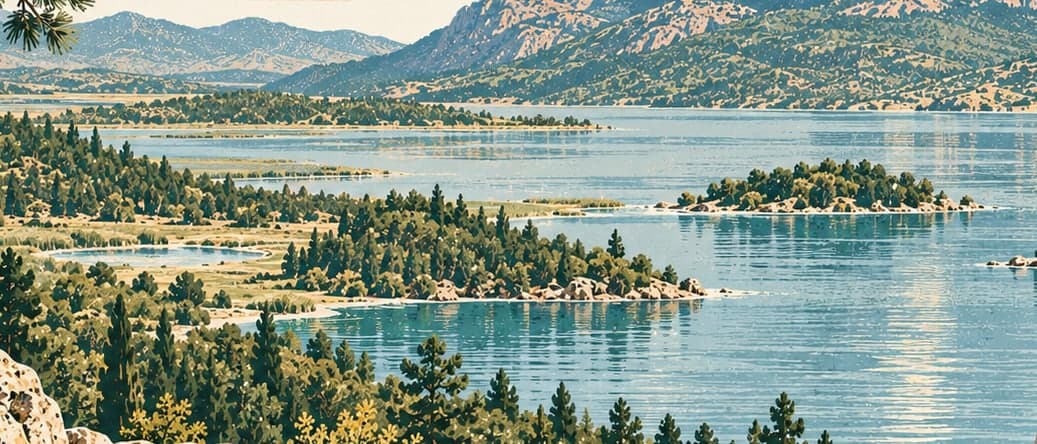
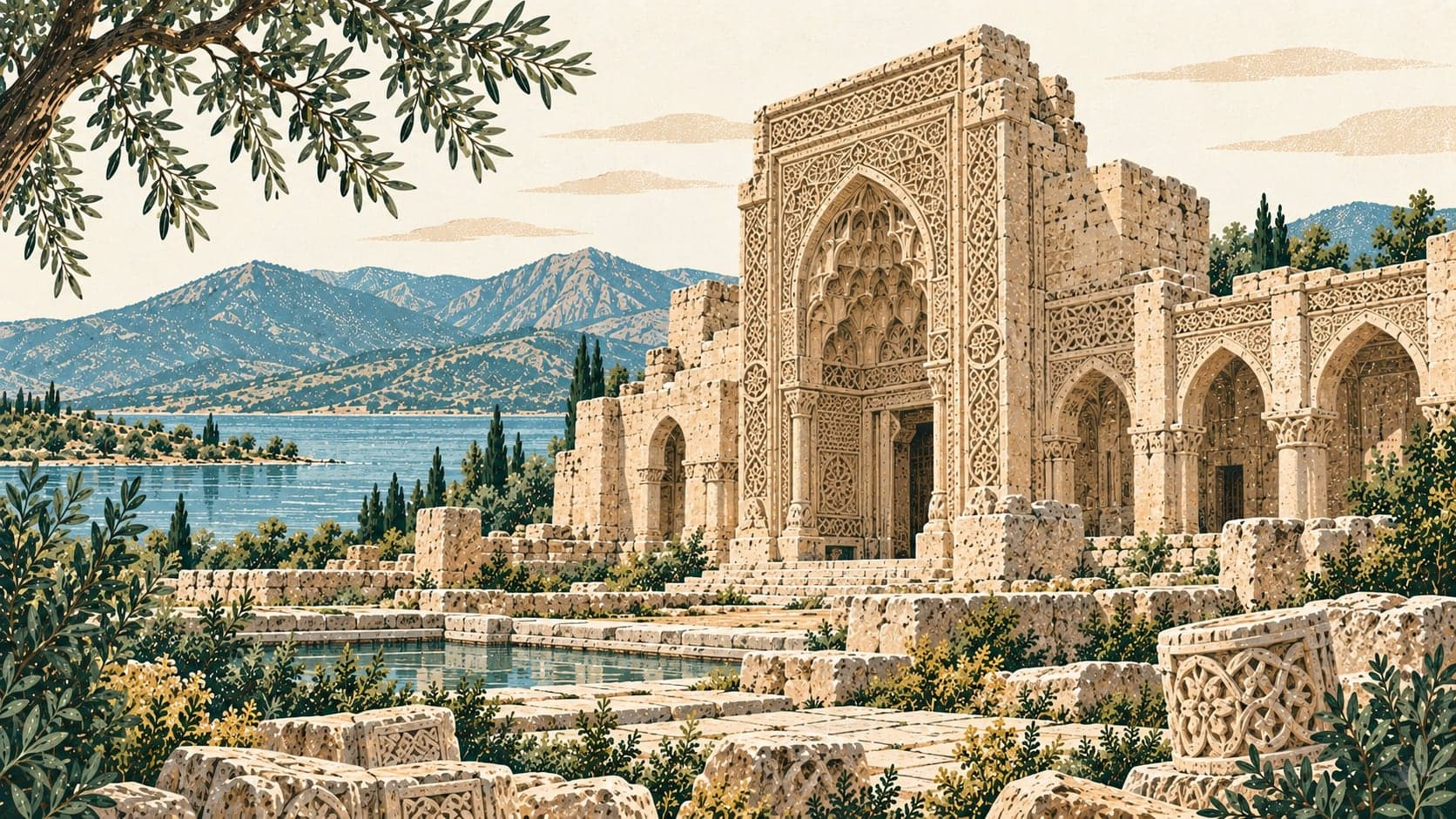
According to Ibn Bibi, the Seljuk sultan Alaeddin Keykubad was struck by the beauty of the country around Lake Beyşehir while travelling from Kayseri to Antalya and ordered a palace to be built there. Kubadabad was built in 1236 under the supervision of the vizier Sadeddin Köpek, who served as the sultan's master of the hunt and as his chief architect, and it was raised to a plan the sultan drew himself; Alaeddin Keykubad also ordered a town to be founded around it. It stands beside Lake Beyşehir on the skirts of the Anamas mountains, and it is the only Seljuk palace complex to have come down to us.
Excavation has been going on here since 1980. What survives on the ground is the ruins of the palace; what survives of its decoration is elsewhere. The tiles from Kubadabad, which are its fame, are displayed in various museums in Konya and above all at the Karatay Museum, so a visit to the site is best paired with one to the museum. The motifs on them show hunting parties, beliefs connected with magic, the sultan, his notables and his servants.