Guide
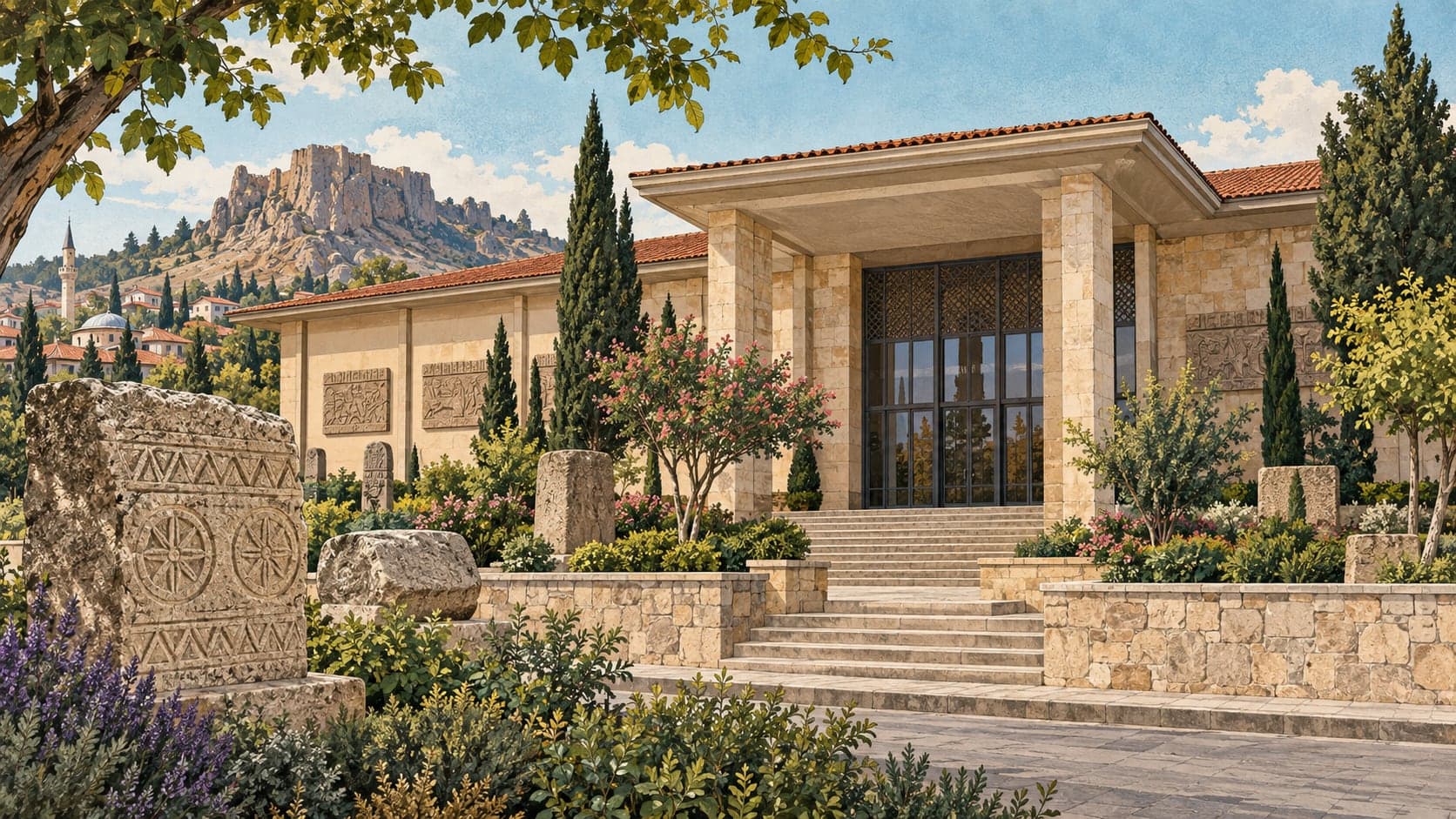
Çorum Museum is an archaeological and ethnographic museum in the centre of Çorum, showing finds from the excavations at Alacahöyük, Boğazköy-Hattuşa, Ortaköy-Şapinuva, Eskiyapar, Pazarlı, Kuşsaray and Alişar Höyük. Its holdings run from the Chalcolithic and Early Bronze Age through the Roman, Byzantine and Ottoman periods, with the Hittite and Phrygian cultures of the region at their centre.
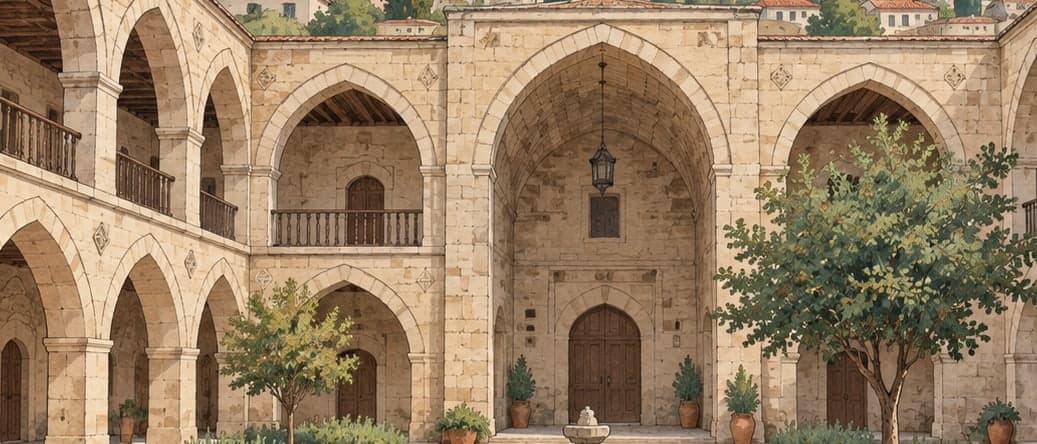
The museum first opened on 13 October 1968, in a building no longer in use. After thirty-three years the weight of material coming out of the excavations had outgrown it. A building begun in 1908 and finished in 1914, which had served since as a hospital, an agricultural school and a vocational college of machinery, was assigned in 1986 to be the museum's new home; it burned in 1988 and restoration for museum use began in 1989. The collection moved in 2000 and the museum opened in the historic building on 11 March 2003. The building itself is registered as immovable cultural property to be protected. Its inscription records that the hospital for general diseases was built with the means and assistance of the people of the sanjak of Çorum and of the ministry of imperial foundations. It was later used as an agricultural school, an art school, a commercial lycée, a vocational college of machinery and the Atatürk Lycée, and was transferred from the Ministry of Education to the Ministry of Culture in 1986.
The archaeological gallery is arranged chronologically, opening with Chalcolithic material from the excavations at Alacahöyük and Kuşsaray, followed by cases of finds from the Early Bronze Age cemetery at Resuloğlu and from Alacahöyük. Among the pieces that hold a particular place in the collection are the relief vases of the Hittite period uncovered at Boğazköy-Hattuşa, Alacahöyük, Ortaköy-Şapinuva and Yörüklü-Hüseyindede. Phrygian finds from the Pazarlı excavation are set alongside material of the same period from Boğazköy-Hattuşa and Alacahöyük, and the Phrygian rooms are followed by Hellenistic, Galatian, Roman and Byzantine pottery, glass and metalwork, including a Roman sundial.
Several pieces are singular. There is a bronze sword made by a unique casting technique and inscribed in cuneiform for King Tudhaliya II, dated about 1430 BC. There is the Hüseyindede vase, close in kind to the İnandık vase and carrying the oldest known harp motif. There are the Hittite cuneiform tablets, taken by UNESCO into its Memory of the World register, and the clay sealings found as archives in the excavations at Boğazköy-Hattuşa and Ortaköy-Şapinuva, shown together with drawings. The coin collection is wide, running from Hellenistic and Roman city coinage through Byzantine and Islamic issues, and there are Roman glass, gold and silver ornaments, figurines and lamps, and Byzantine works of various kinds.
The ethnographic gallery shows Turkish art from the Seljuk and Ottoman periods to the present: women's clothing particular to the region, carpets and kilims, jewellery and ornaments, Seljuk and Ottoman weapons, works in wood and metal, and manuscript religious books. Three shops have been reconstructed in it for the trades the town is known by — coppersmithing, roasted chickpeas and the coffee-house.
Touch screens in the museum let visitors take a virtual tour, and the Hittite architecture display allows the site of the Hittite capital at Hattuşa to be seen interactively by way of a Hittite chariot.