Guide
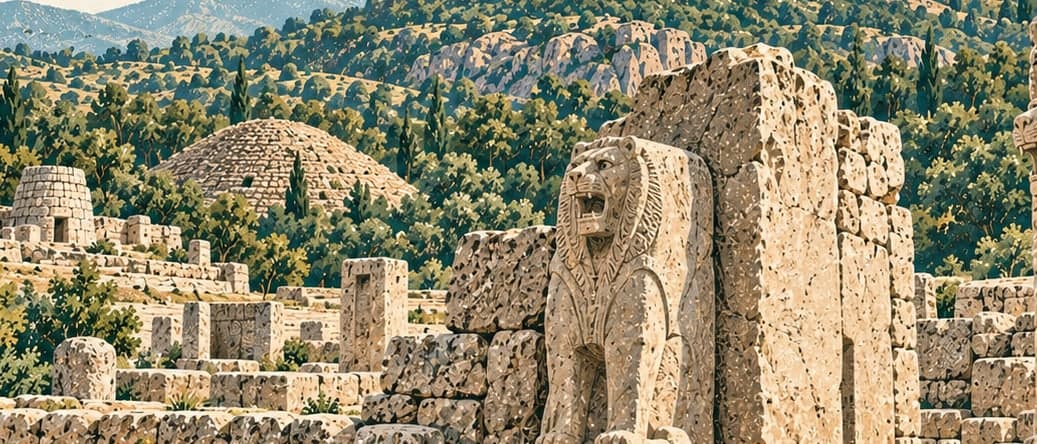
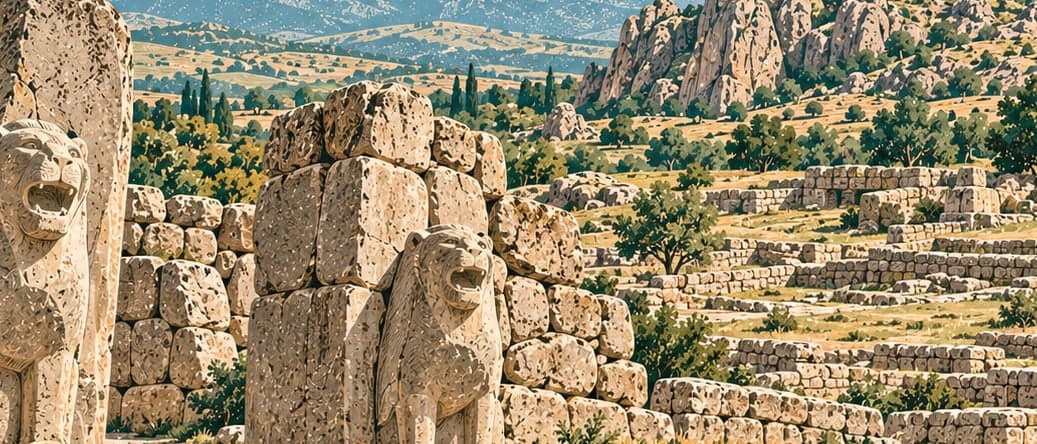
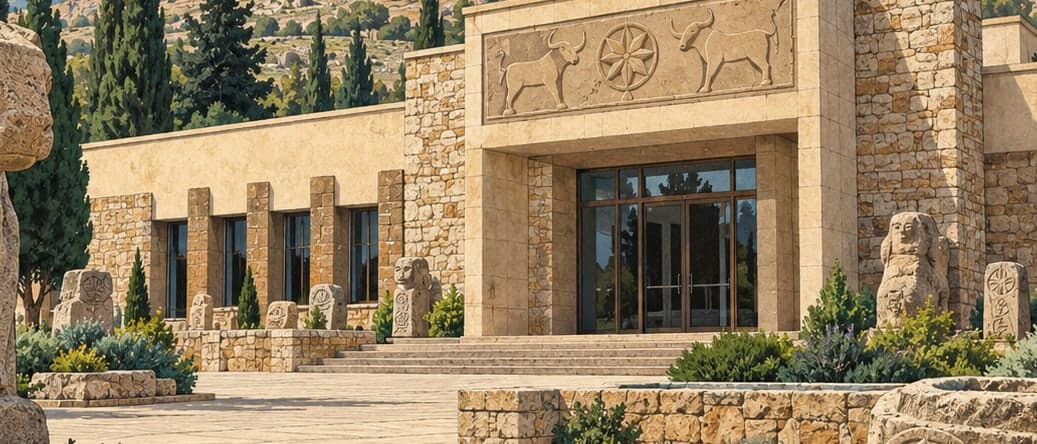
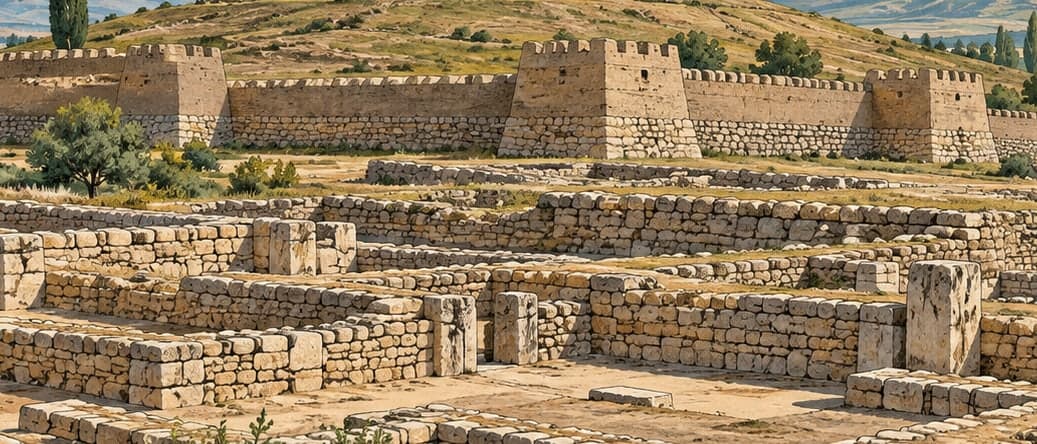
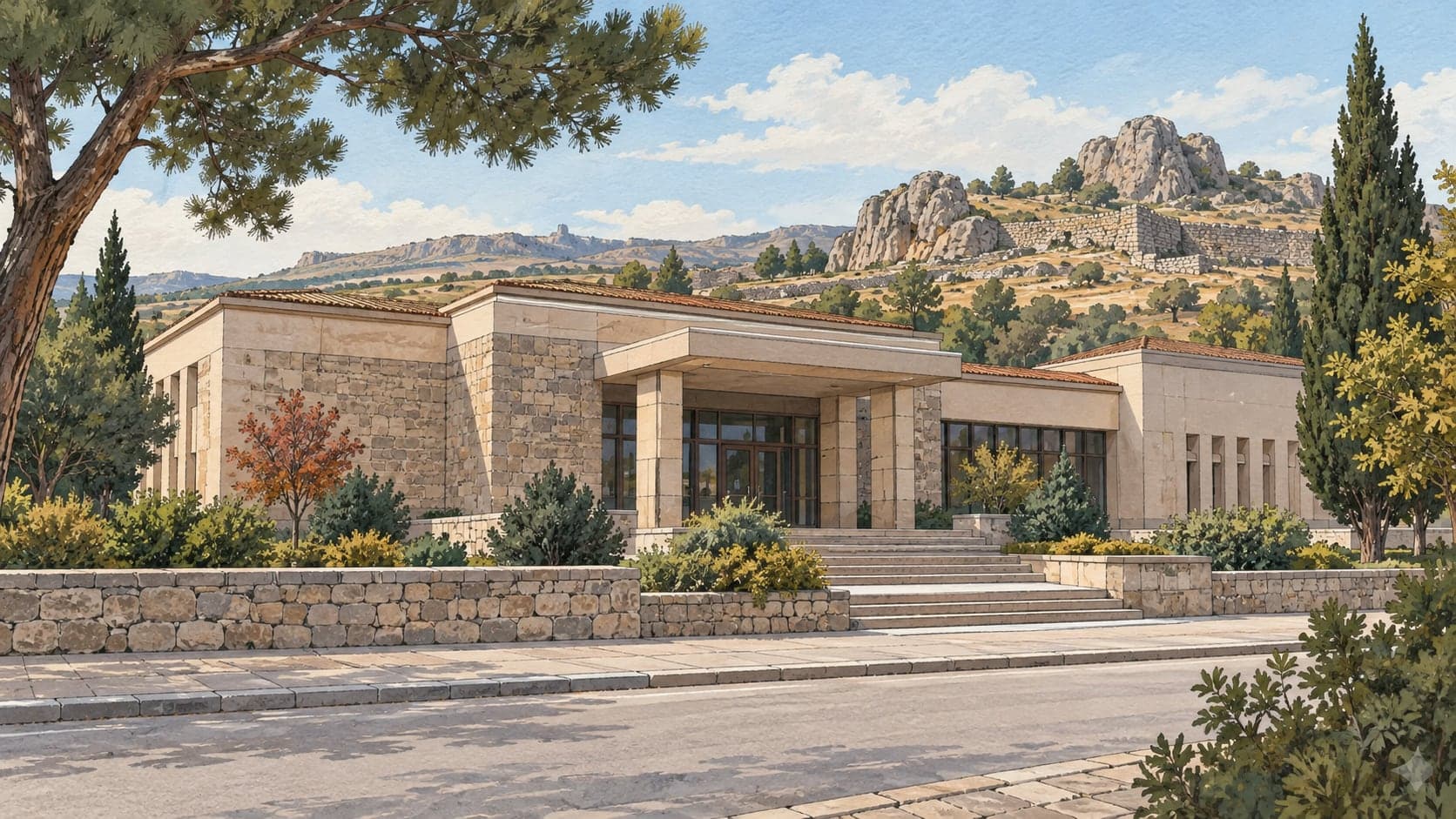
The Boğazköy Museum, also called the Boğazkale Museum, stands in the centre of the Boğazkale district, eighty-two kilometres south-west of Çorum. What it shows is mostly Hittite: the finds uncovered in the excavations at Hattusa, the Hittite capital.
The museum opened on 12 September 1966 and its displays were reworked in 2011. They are arranged by theme and by date. In the first hall on the ground floor the sequence begins with the Chalcolithic, the Early Bronze Age and the age of the Assyrian trading colonies, goes on through the Phrygian, Galatian and Roman periods and ends with the Eastern Roman.
The two sphinxes from the Sphinx Gate at Hattusa had been badly damaged by fire and were taken to Berlin in 1907 to be restored. After that work one of them was returned in 1924 to the İstanbul Archaeological Museums, while the other stayed in the Berlin museums until 2011. Both have been displayed at the Boğazköy Museum since 26 November 2011.
Through the gate where the sphinxes stand lies the Hittite hall, where the state and society of the Hittites are set out through objects and panels carrying a wealth of images, with a reconstruction of a Hittite stonemason at work.
On the floor above the Hittite hall, the religion and military organisation of the Hittites, their writing system and the material from the excavations are presented through panels and images. Models of the site of Hattusa and of the Great Temple stand here as well.
In the museum garden are a Hittite sphinx and inscriptions in hieroglyphs, along with Roman and Eastern Roman milestones and grave stelae.