Guide
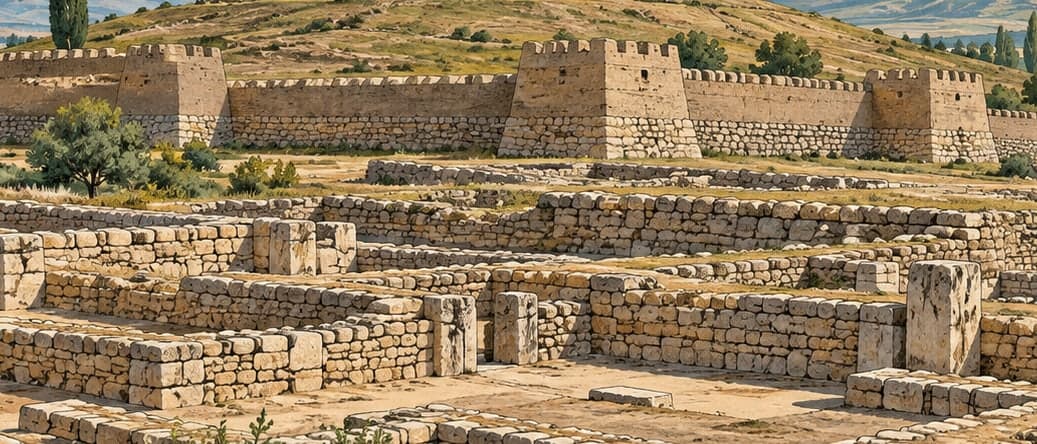
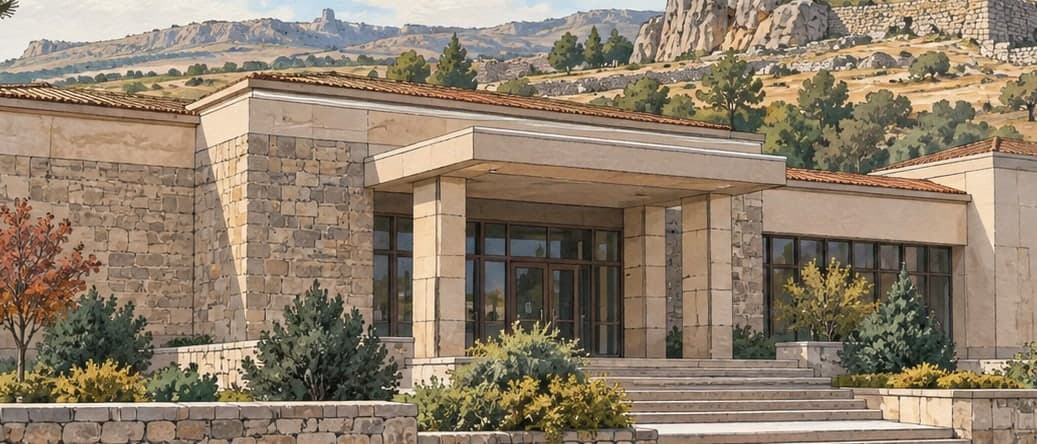
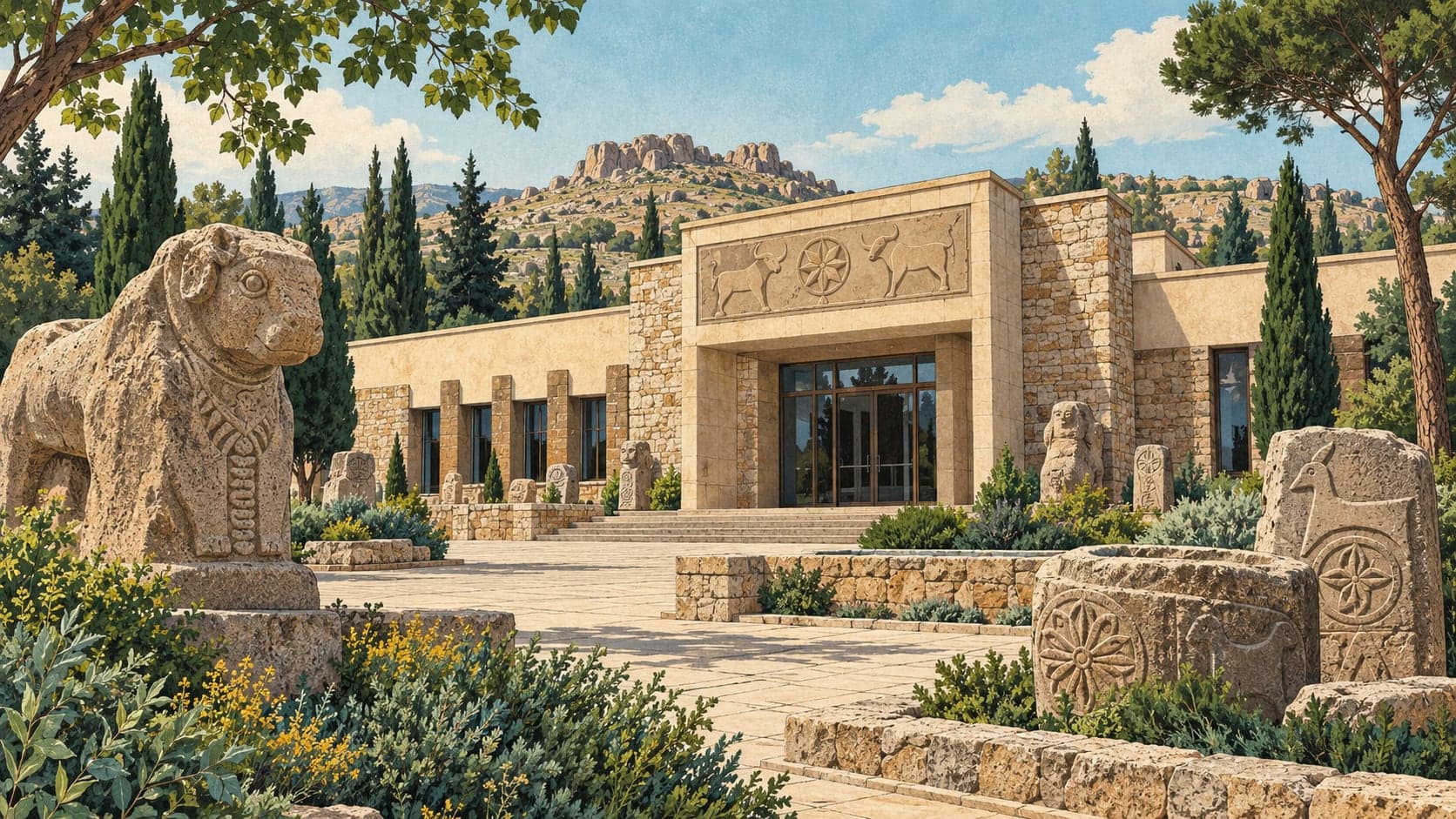
Alacahöyük lies at Alacahöyük in the Alaca district of Çorum, and the museum there stands beside the excavated mound rather than apart from it. The ministry's page describes the site far more fully than the museum, so what follows is mostly about the ground.
Excavation began in 1935 and has exposed four levels of civilisation. The first is represented by the Hellenistic, Roman, Byzantine and Seljuk-Ottoman periods; in the late Phrygian age the whole mound was settled, and small houses have been found from that layer.
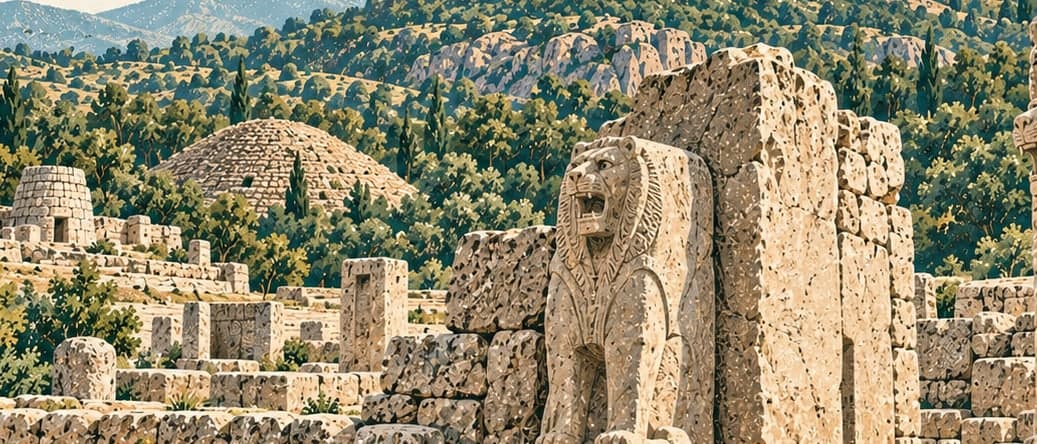
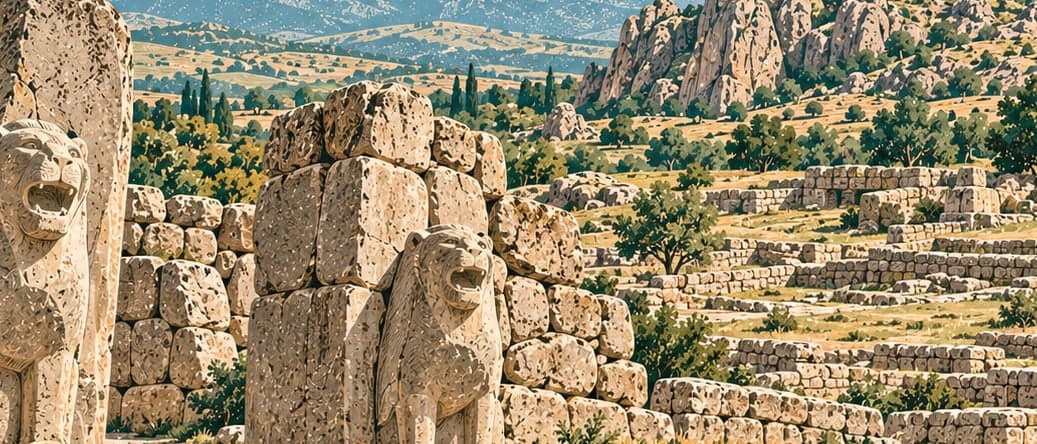
The second level is the Hittite one, and it is the reason the site matters as a centre of Hittite culture and art. It holds a temple, large buildings, private block houses, streets, water channels large and small, a city wall, and the sphinxes of the gateway, one of them decorated with reliefs. The Sphinx Gate itself is ten metres wide, built of andesite blocks on a limestone foundation, and serves as the monumental entrance to the great temple.
The third level is the Early Bronze Age, dated by the ministry to 2500-2000 BC, and its royal tombs are the finds the site is best known for. Set apart in their own area, the rectangular graves were walled with stone, roofed with wooden beams, and had the heads and legs of sacrificed cattle laid on top. The grave goods — gold, silver, electrum, copper, bronze, iron and precious stones, worked by hammering, casting and inlay — are what identify the burials as dynastic, and they belong to the native Hatti culture that fed into Hittite civilisation. The fourth level is Late Chalcolithic, the first settlement raised on virgin soil.