Guide
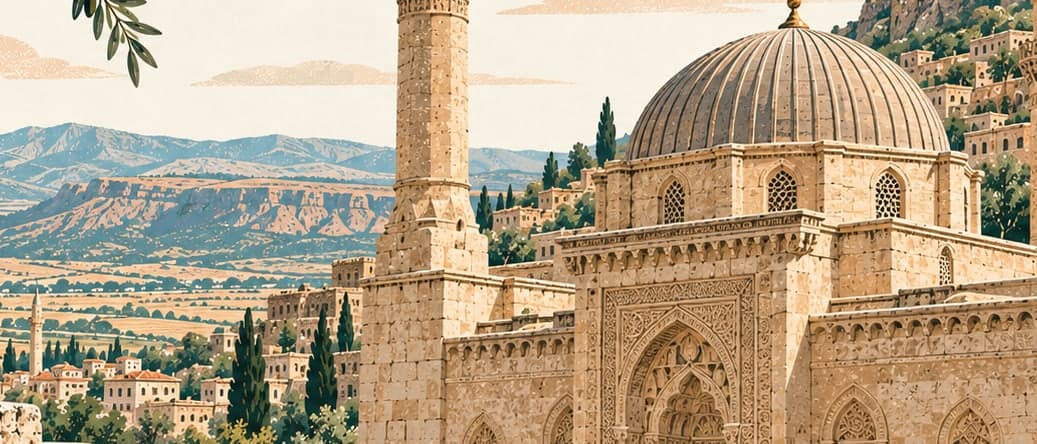
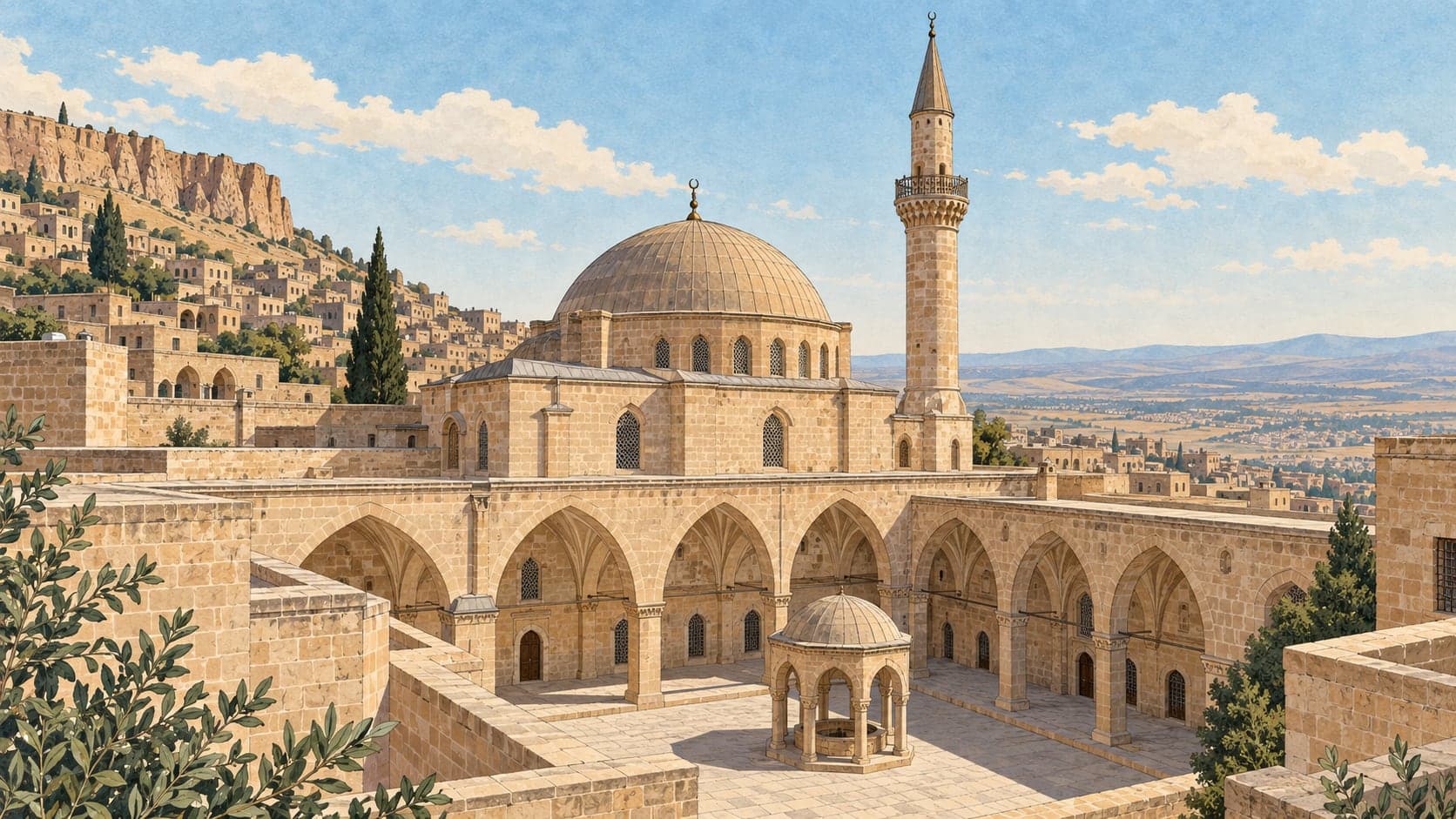
The great mosque of Mardin is a work of the Artukid period and, with its ribbed dome and its minaret, the symbol of the city. The records say it was built with two minarets. The inscription on the square base of the one minaret that survives gives 1176 as the date of construction, but the minaret standing today was rebuilt in 1888–89 in a new, eclectic manner.
Some Syriac writers say the building was converted from a church. Even if it was not, it is likely that an older church stood on the site.
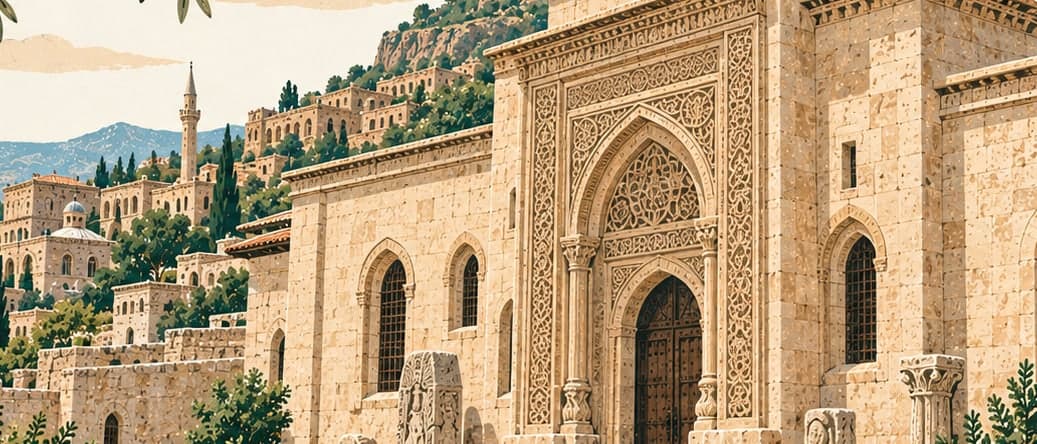
It carries the basic features of twelfth-century Artukid architecture and is an important example of the mosque plan that appeared early in the south-east: developing crosswise, with a dome in front of the mihrab. The material is regular cut stone. The dome is ribbed on the outside — a technique characteristic of some later Artukid buildings, used first in this mosque and afterwards becoming a tradition in Mardin.
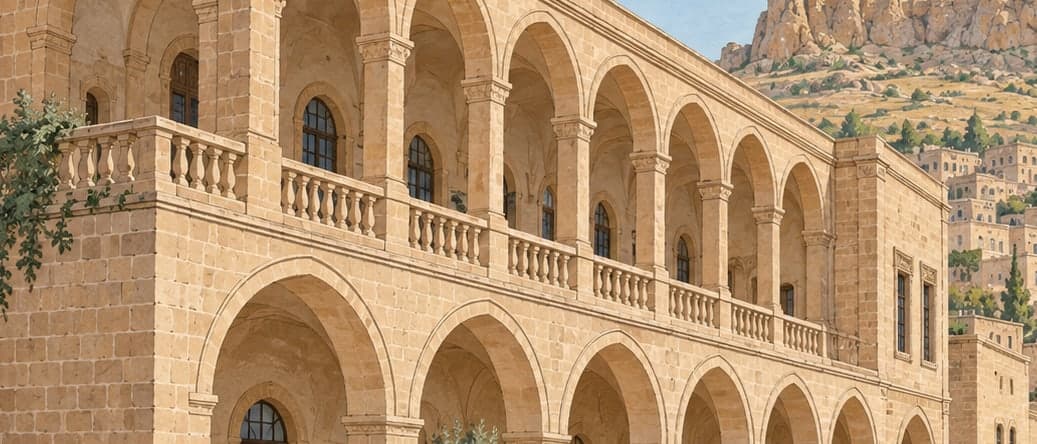
A rectangular courtyard lies to the north with a fountain in the eyvan on its north side. South of it the mosque runs parallel to the mihrab wall in three barrel-vaulted aisles, the two nearest the mihrab wall interrupted by the dome — a crosswise scheme with the dome before the mihrab, and a model copied by a good many buildings around it. The mosque is open for prayer and for visits, and it holds a hair of the Prophet.