Guide
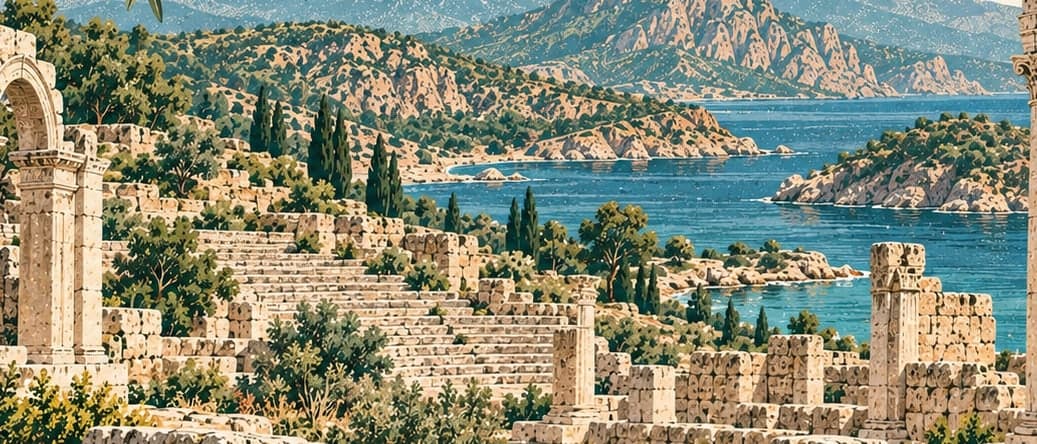
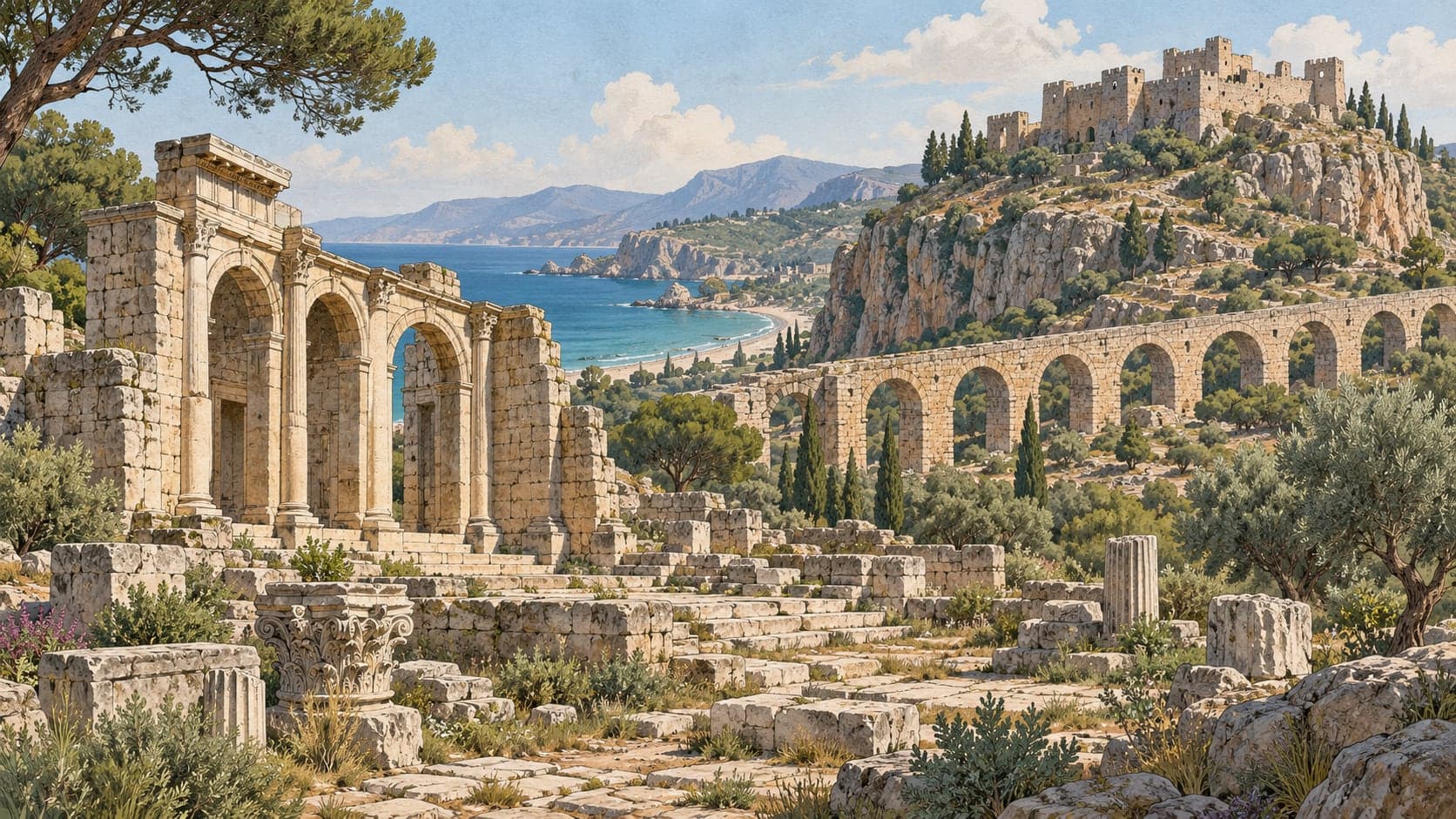
Selinus lies in the Gazipaşa district of Antalya, southwest of the marina and the Hacı Musa stream, on and around a hill that juts into the sea like an elbow. It was one of the principal sites of Rough Cilicia and was settled in the Hellenistic, Roman, Byzantine and Ottoman periods. The emperor Trajan died here, which raised Roman interest in the place, and for a time the city was known as the holy city of Selinus Trajanopolis. Most of what survives is Roman.
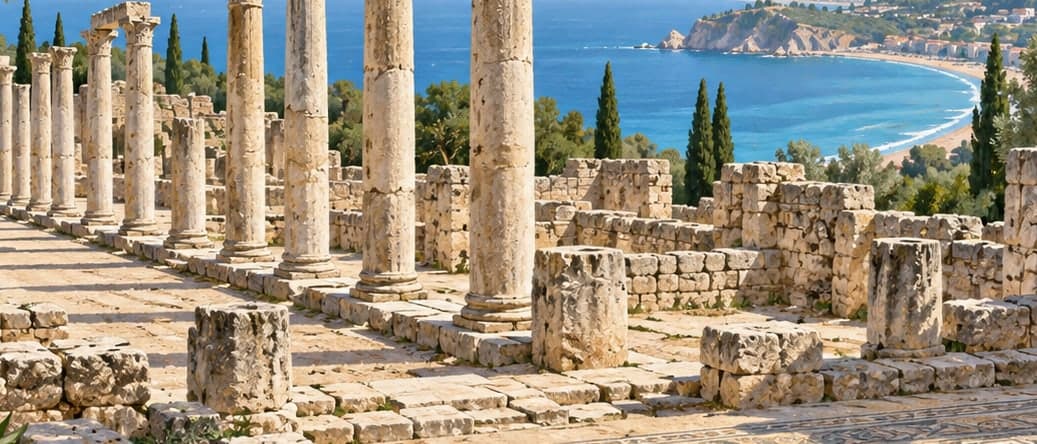
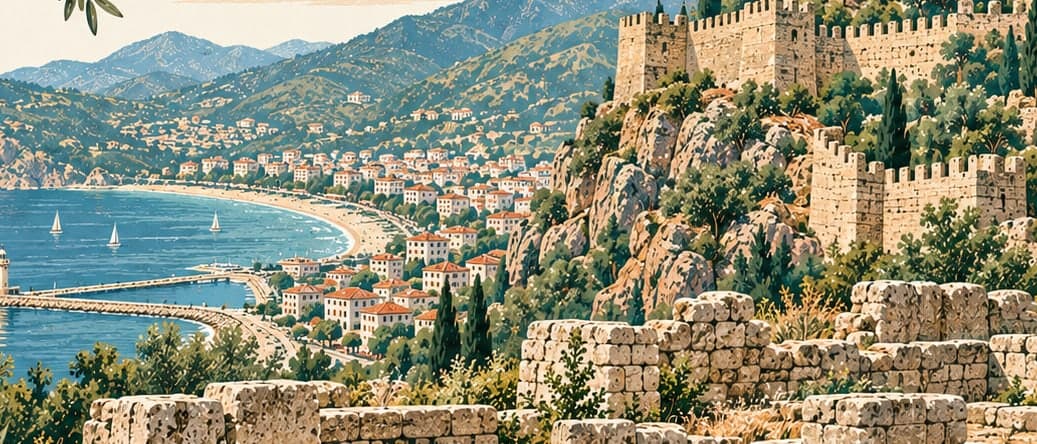
Among the remains, the clearest are the walls, the agora, the large and small baths, the tombs in the necropolis, the odeon, and the building called the Sekerhane, used as a hunting lodge in the Seljuk period. Know what the climb involves: the acropolis stands on a hill and is reached by a stair of about eight hundred steps, and the church and cistern within it are the important structures that survive up there. The rest of the city lies on the shore and the slope — baths, agoras, the Seljuk pavilion, an aqueduct and the necropolis, where the monumental tomb is the piece to look for. Most of the ossuaries in the Alanya Museum came from the Selinus necropolis, which suggests there was a workshop producing them here. Buses to Gazipaşa run from Antalya and Alanya.