Guide
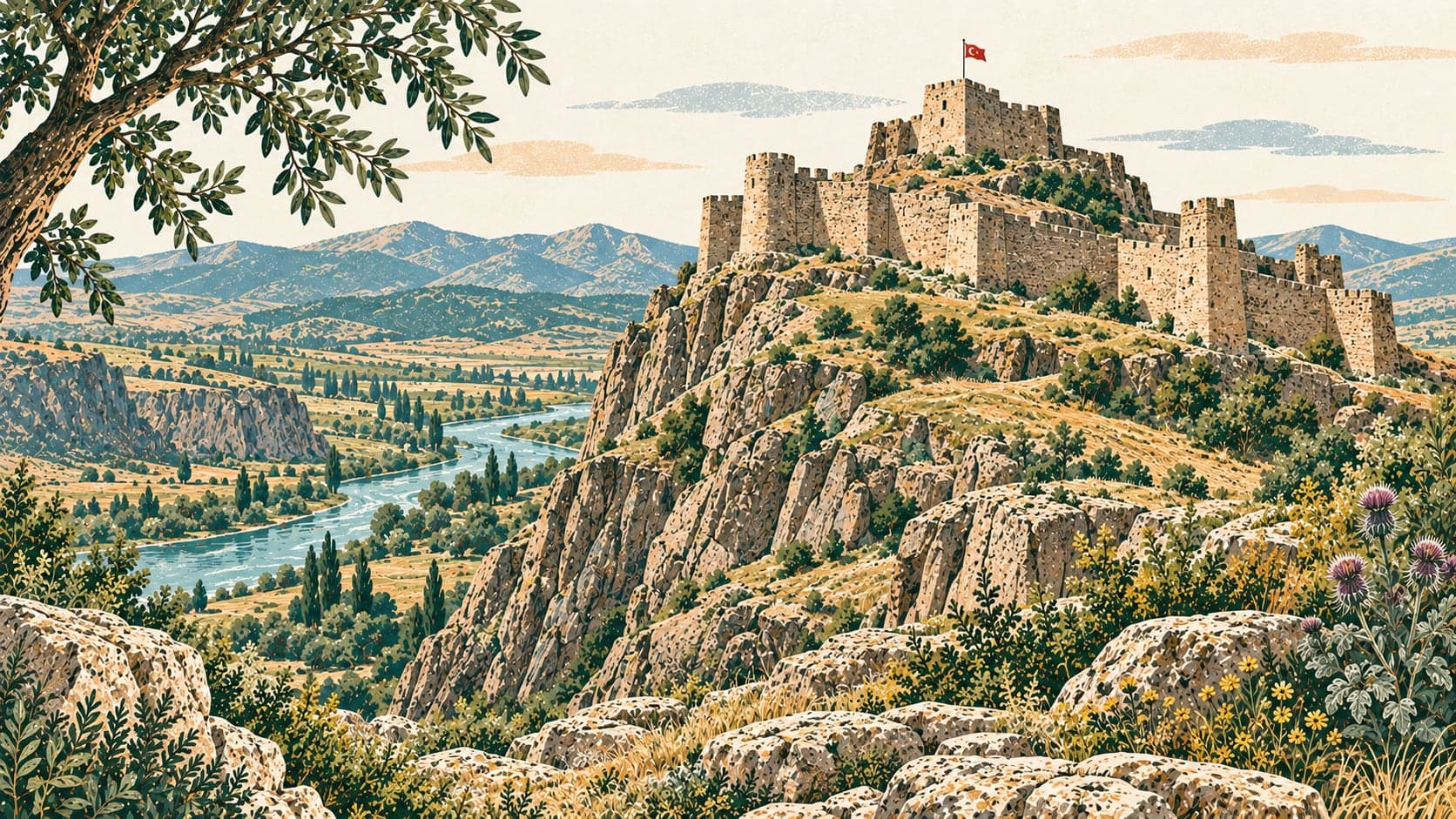
Şeytan Castle, the devil's castle, stands in the village of Yıldırımtepe in the Çıldır district of Ardahan, in the historical region of Palakatsio. It is a medieval castle left by the Georgians, and some sources also call it Çıldır Castle.
In Georgian sources the castle appears as Kajistsikhe, the castle of the kaji or evil spirits, and the name was translated from Georgian after the Ottomans took the region. There are views holding that the Kajta Tsihe named in The Knight in the Panther's Skin, the epic written by the Georgian poet Shota Rustaveli in the twelfth century, is this castle rather than Alamut.
Some have argued that the castle was built in the time of the Urartians, but that view rests on no historical source. What the later sources say points to an early medieval castle. Given the position, it is very likely that a castle stood here in earlier times as well, though there is as yet no evidence to prove it.
According to the Meskhuri Matiane, a chronicle covering the history of the Georgian principality of Samtskhe-Saatabago and its neighbours between 1561 and 1587, the castle was under that principality when its ruler Manuchar II came to terms with Lala Mustafa Pasha and gave the Ottomans six castles, this one among them. In the detailed Ottoman register of 1595 it is recorded as Kacisiha, in keeping with its Georgian name; at that date Tetra Tsihe had already been rendered into Turkish as Ağca Kala, later Akçakale, and Okros Tsihe as Altun Kala, later Altunkale, while this name had not yet been changed. It was translated later as Şeytan Kala. The castle was in use under the Ottomans from the sixteenth century onwards, as it had been under the kingdom of Georgia and Samtskhe-Saatabago. A trading place known as the Rabat stood nearby, which later became an ordinary settlement.
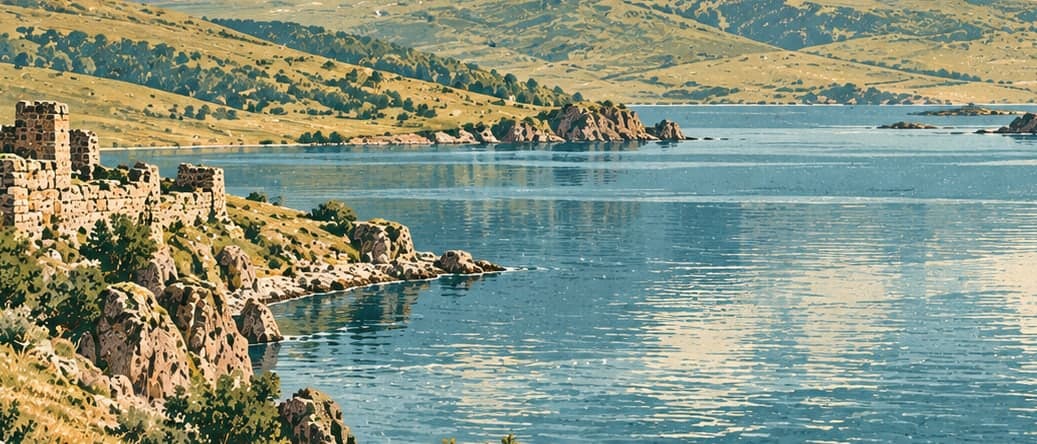
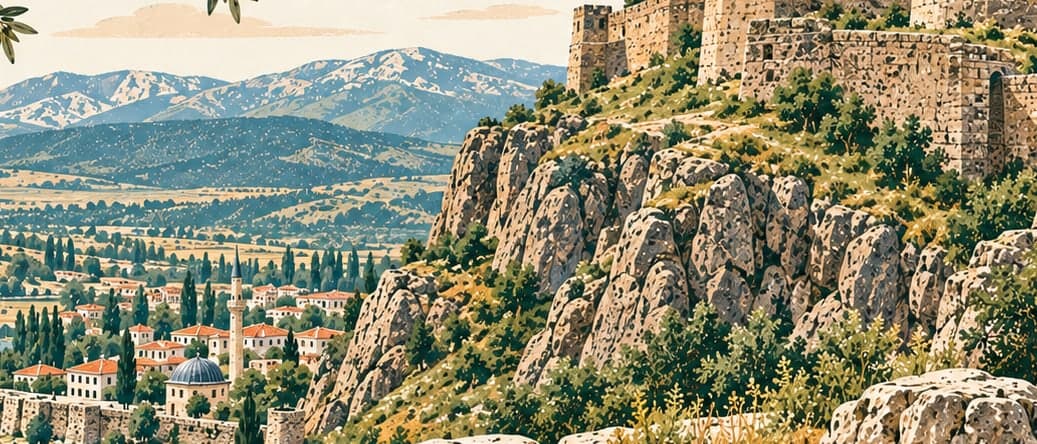
The castle sits on a rocky hill on the right bank of a stream, 1.3 kilometres north of Yıldırımtepe — the old Rabat, today counted a quarter of the town of Çıldır — at 1,910 metres above sea level. The hill falls away in cliffs on three sides and can be approached from one direction only. The name is thought to come from how hard the place was to reach and to take, though there is also a local tale that the men in the castle could not be beaten because they were in league with evil spirits.