Guide
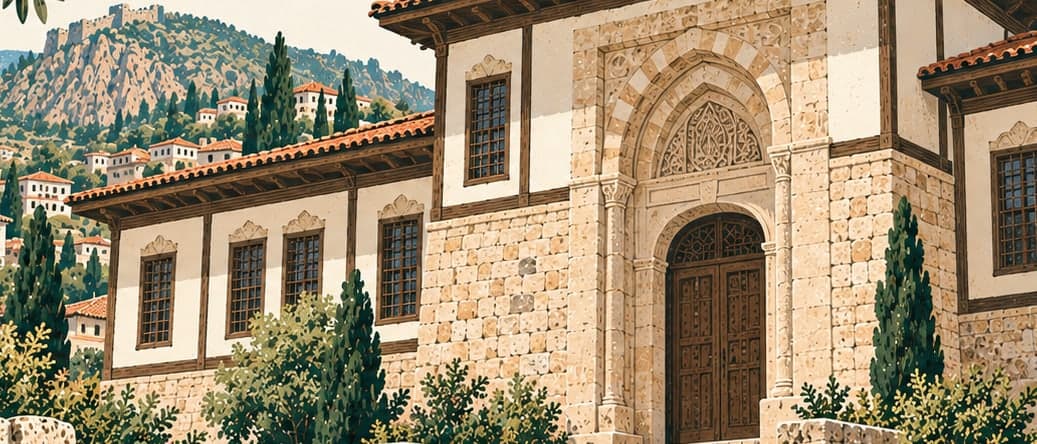
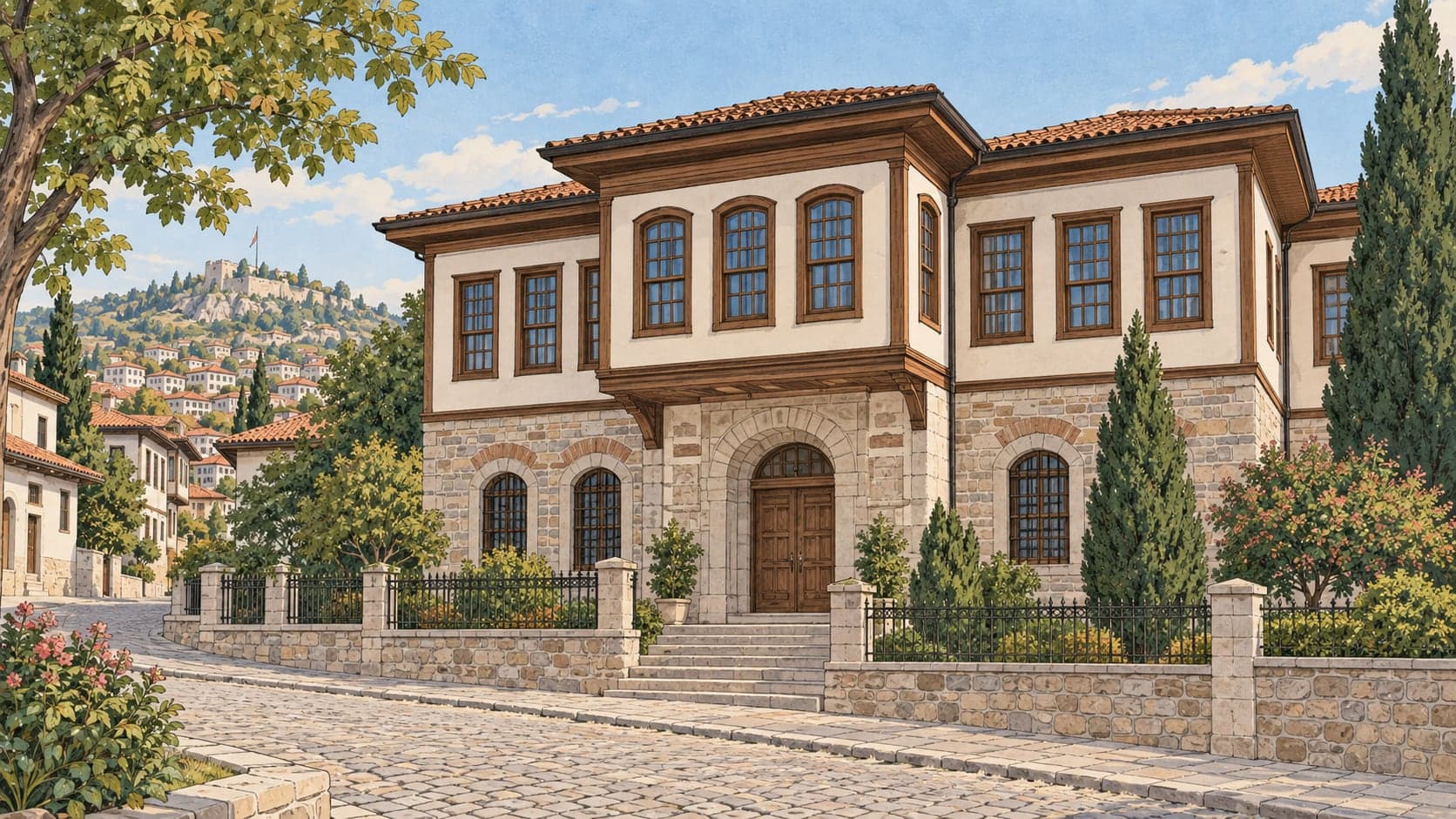
The city history museum occupies two konaks on Germiyan Sokak — the Sapcizade and Karaca houses, dated by their inscription to 1912. Kütahya municipality restored them and opened the museum under a private-museum permit from the ministry.
Start in the garden, which is given over to the stages of making Kütahya tile: a craft the directorate calls the city's ancestral art, and Kütahya its world centre.
Inside, the ground floor runs through the city's history in documents, information and photographs, from prehistory through the Hittite, Phrygian, Roman, Byzantine, Seljuk, Germiyanid and Ottoman periods to the republic.
The first floor is the part worth slowing down for: the trades that have nearly disappeared from Kütahya — blacksmith, coppersmith, tinner, felt-maker, basket-maker, carpenter, knife-maker, packsaddler, farrier, saddler, shoemaker — staged section by section with mannequins and photographs, in shops fitted out with the original tools. The second floor does the same for domestic life, reconstructing the rooms of the konak around the bride, the wedding, the henna night, the selamlik, dress, the bedroom, the kitchen and carpet weaving.