Guide
The ruins of ancient Mobolla and its castle lie on the rocky hill called Masa Dağı, or Asar, northeast of the Saburhane quarter, just south of central Muğla and adjoining the urban conservation area. The names the place has carried are documented: the oldest known form is Mogla, an inscription found in Muğla and dated to the second century BC leaves no doubt that the city was called Mobolla, and by the tenth century AD the form Mogola appears in the work of the emperor Constantine VII Porphyrogenitus.
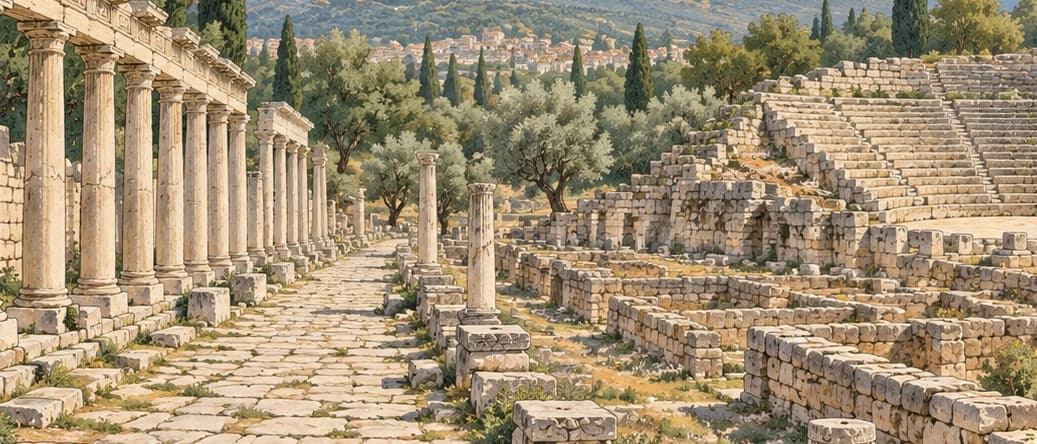
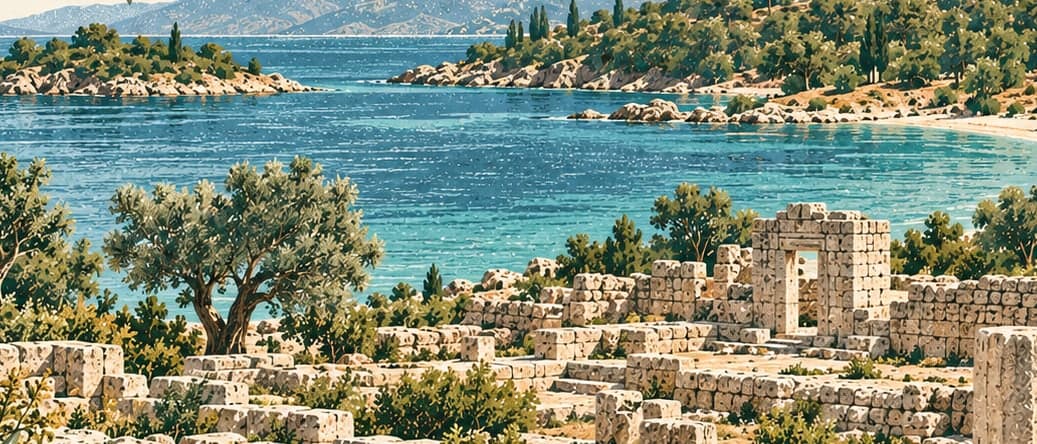
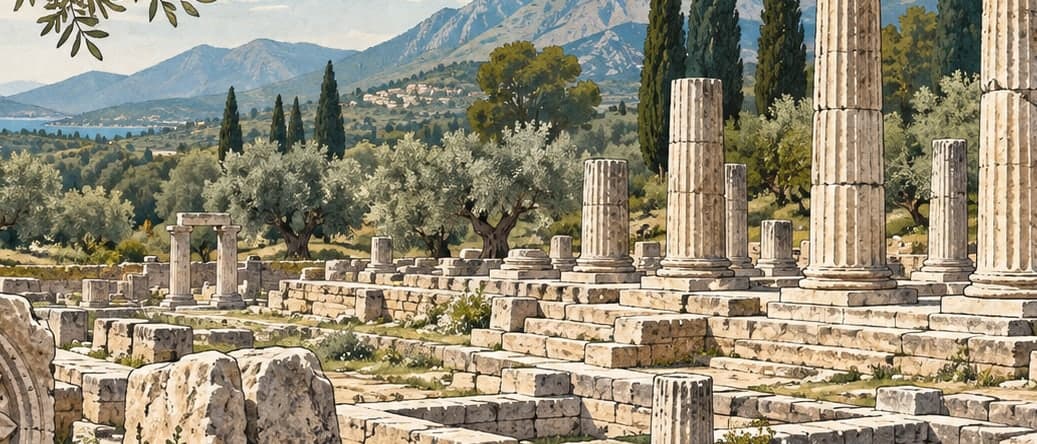
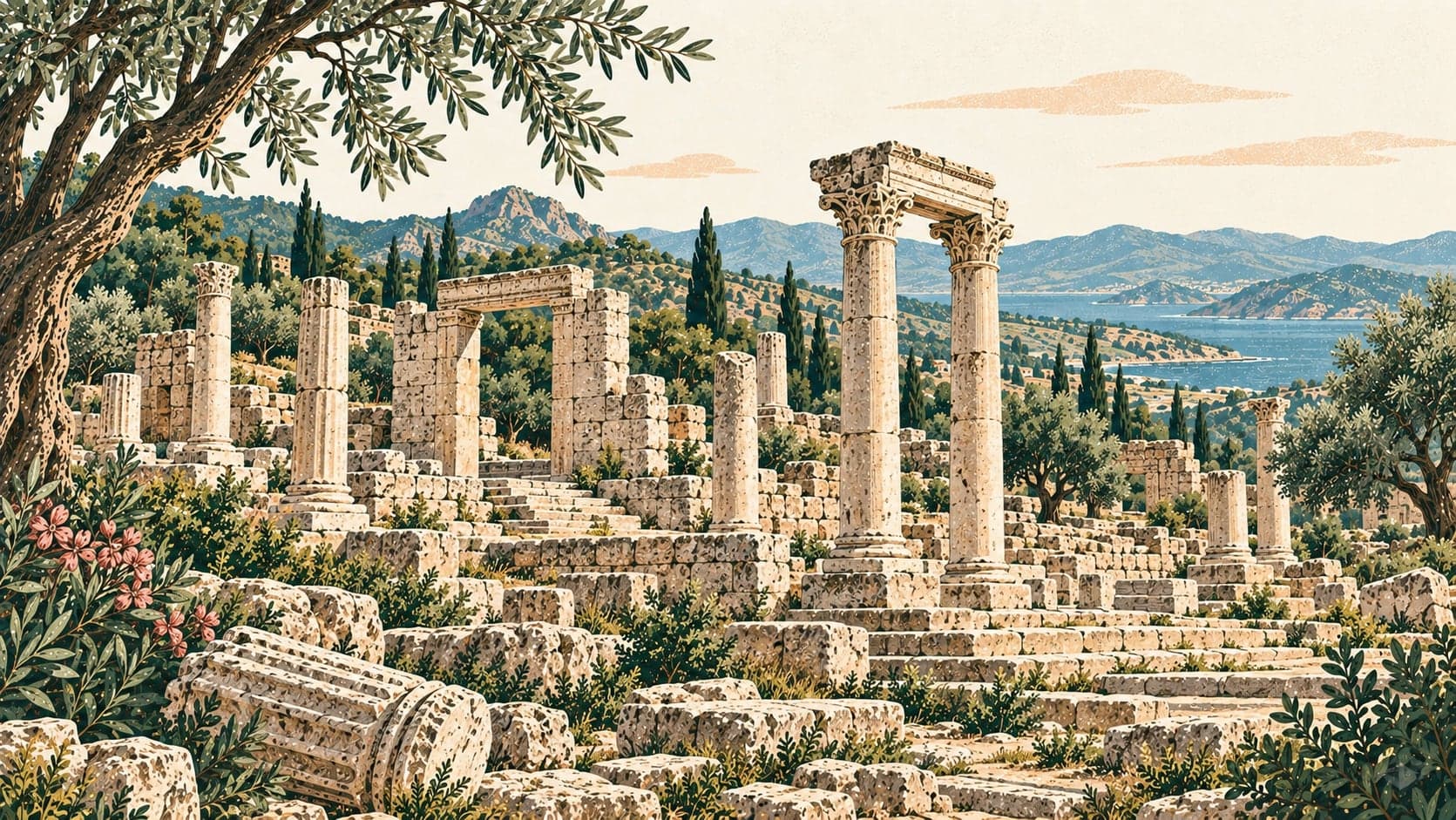
The walk up is the visit. Burial chambers, many of them and scattered rather than grouped, line the path from the Basmacı stream below all the way up, and where they end the castle walls begin; the walls enclose the settlement completely on the north and west. Among the remains identified here are three open-air sanctuaries, rock-cut burial chambers, sarcophagi, the simpler rock-cut graves described as popular-type tombs, a well, rock dwellings, rock chambers thought to have been converted into living quarters, cisterns and house foundations. Excavation and clearance work has been under way since 2022 under the Muğla Museum directorate, led by Prof. Adnan Diler. The hill commands central Muğla and is a good objective for anyone who likes walking.