Guide
Xanthos is an ancient city at the village of Kınık in the district of Kaş, seventy kilometres from the Kaş road. In antiquity it was the capital of Lycia, and it is inscribed on the UNESCO World Heritage List. The name is thought to come from the Greek word xanthos, meaning yellow.
The city was laid out on two hills commanding the plain. The first is the walled Lycian acropolis, rising as a steep crag beside the Eşen stream; the second, to the north, is the Roman acropolis, higher and broader.
Little is known for certain about the city's beginnings, though its first foundations are thought to reach back to around 1200 BC. In the epic lines of Homer's Iliad, which tells of the Trojan War, the Lycian leaders Glaucus and Sarpedon are said to have come from the lands of the river Xanthos; in the same poem Xanthos is also the name of Achilles' immortal, speaking horse. Written sources and archaeological evidence show that the city lived independently until about 545 BC, when it was invaded by the Persians under Harpagus and passed under their rule.
Alongside its many distinctions Xanthos is known as a city whose history is full of suffering. Historians recount that it was levelled or burned again and again, and that a new city rose each time from the ashes. In 168 BC it became the administrative and religious capital of the Lycian League. The oldest remains found here go back to the eighth century BC.
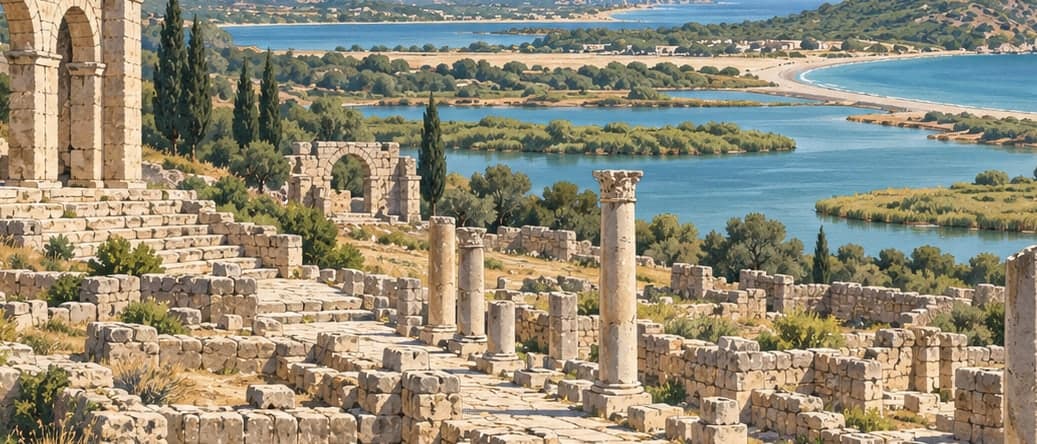
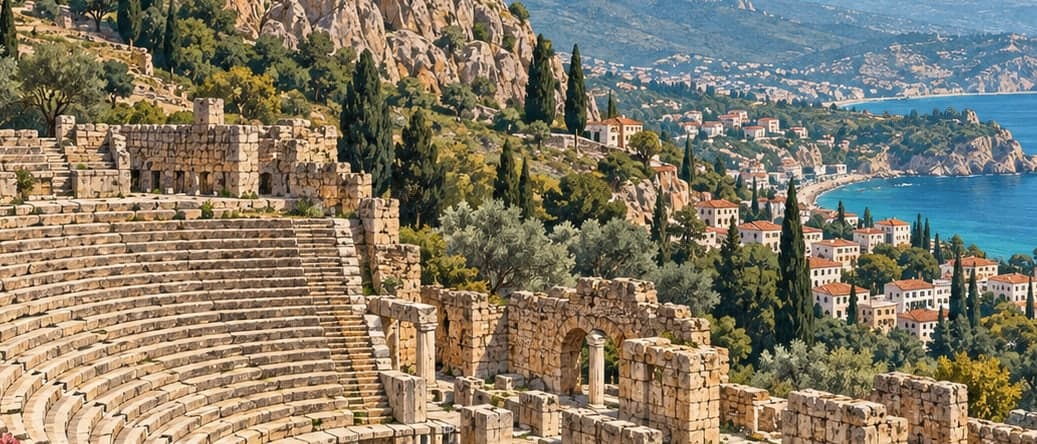
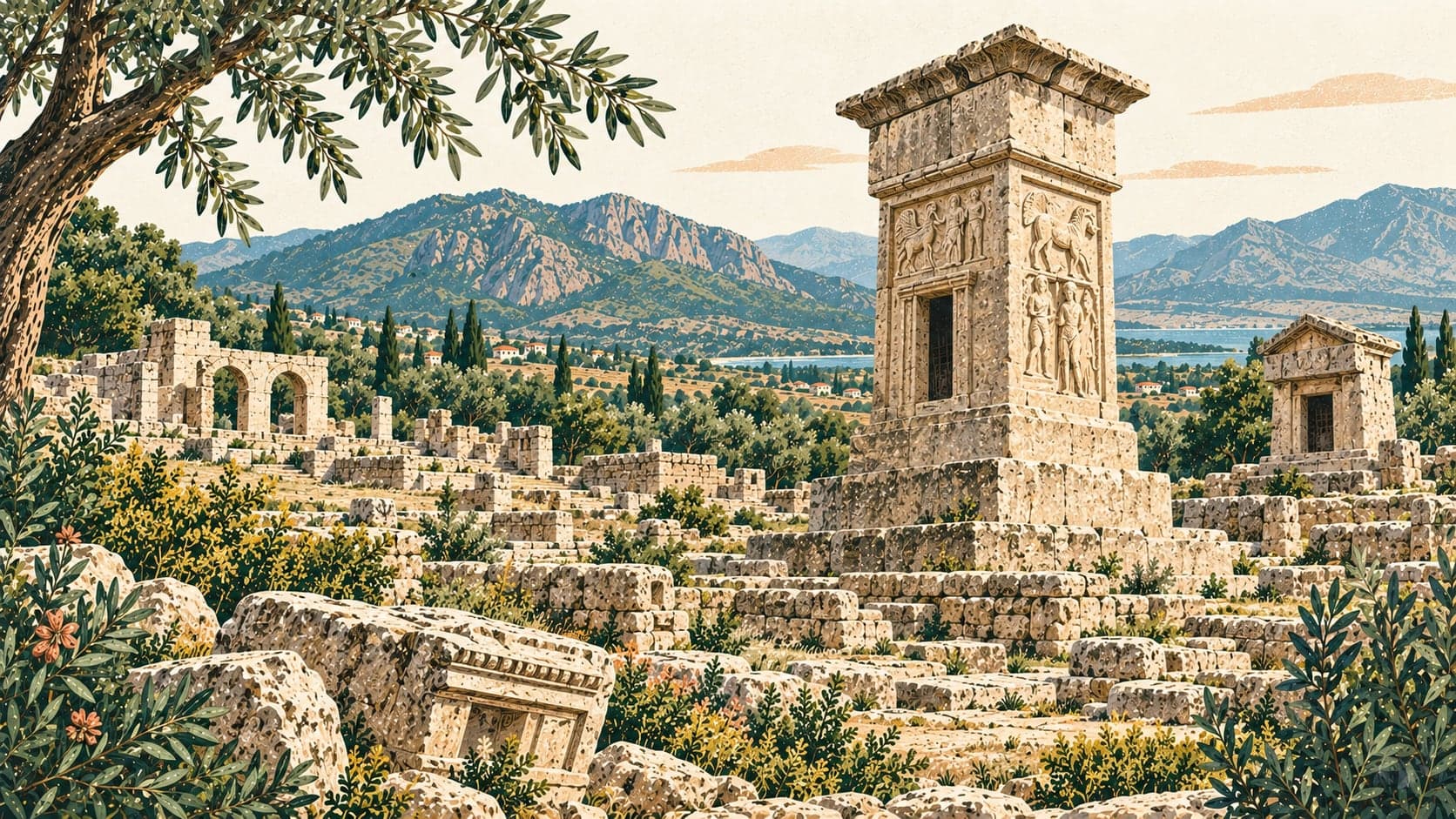
Among the remains that survive are rock tombs, sarcophagus tombs and the pillar tombs particular to Lycian culture. The Lycian acropolis belongs to the earlier works. The theatre, repaired many times, and a church built in the Early Christian period are also among the things to see.
The site was first investigated in 1838 by the English archaeologist Charles Fellows, who made Lycian civilisation known and took a number of finds to London; excavating here in the 1840s, he carried the Nereid Monument and many other pieces to the British Museum. Excavation was resumed by French archaeologists in 1950 and has been directed since 2011 by Prof. Dr. Burhan Varkıvanç.