Guide
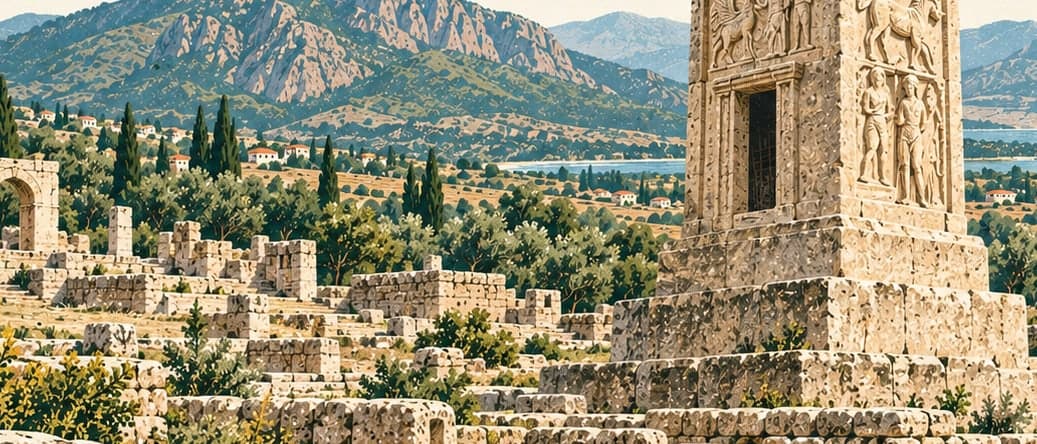
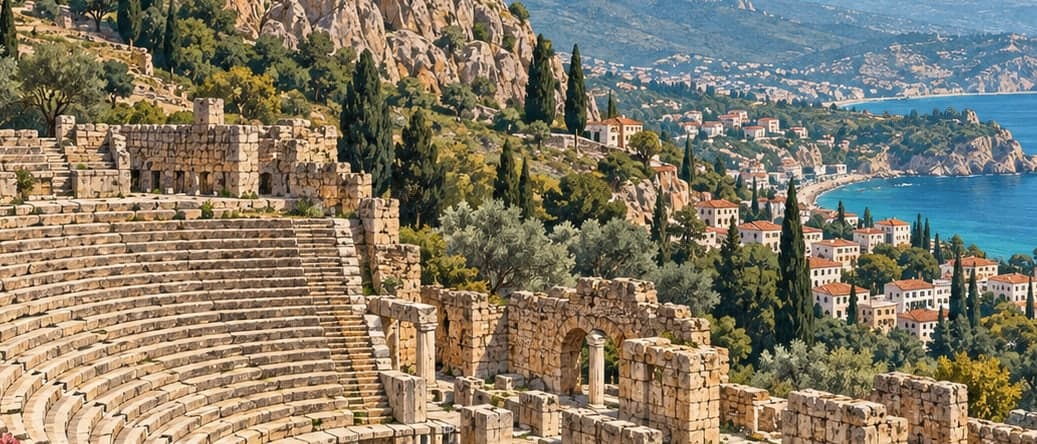
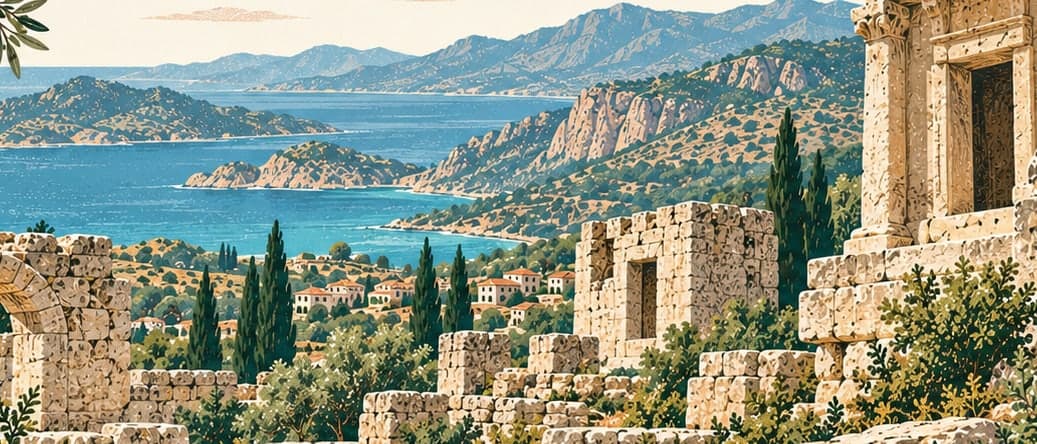
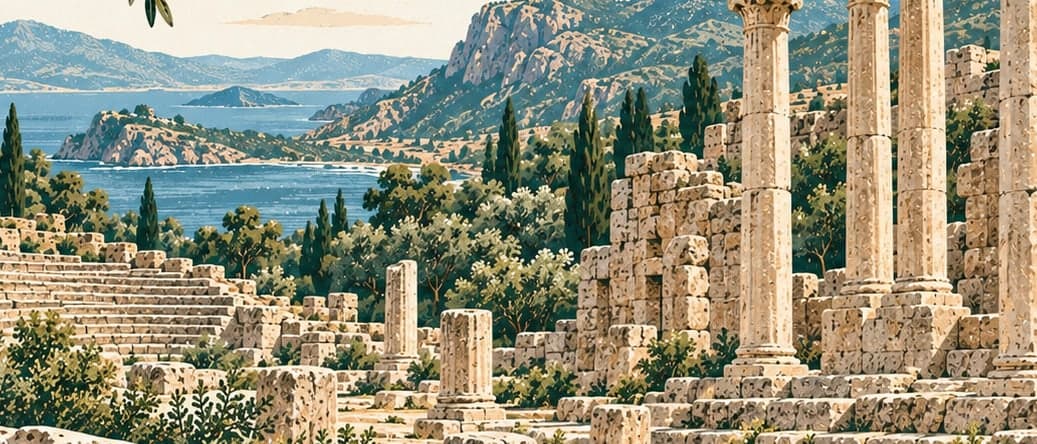
Patara was the capital of the Lycian League. Hittite texts of the thirteenth century BC already name it as Patar, and the reason it lasted so long is geography: in the Xanthos valley it was the one point with an opening to the sea. Excavation has run here since 1988.
The city rose with the Seleucids, who took control at the beginning of the second century BC and treated it as Lycia's capital; that position was made formal in 167/68 BC, when Patara gained autonomy against Rome and independence from Rhodes. Under Rome it kept its weight — the governors heard legal business here, and the port served as the naval link to the eastern provinces. When Lycia became a Roman province in AD 43 and was joined with Pamphylia into one province in AD 74, Patara remained the capital. It was also known as the harbour where grain shipped from Anatolia to Rome was stored.
After Rome it was known for its oracle of Apollo, and under Byzantium it was an important centre for Christians. Saint Nicholas — the figure behind Father Christmas — was born here, and Paul is recorded as having taken ship from Patara on his way to Rome. At the Council of Nicaea in 325, held under Constantine, Lycia's single signatory was Eudemos of Patara.