Guide
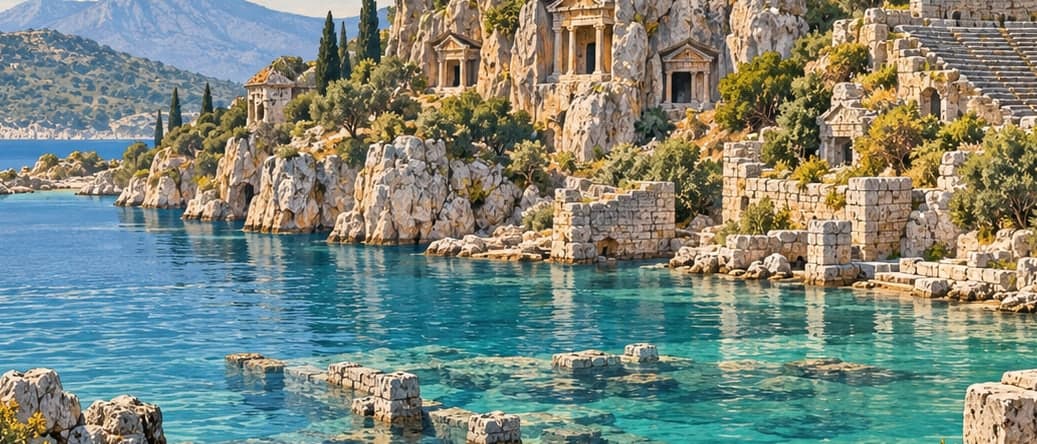
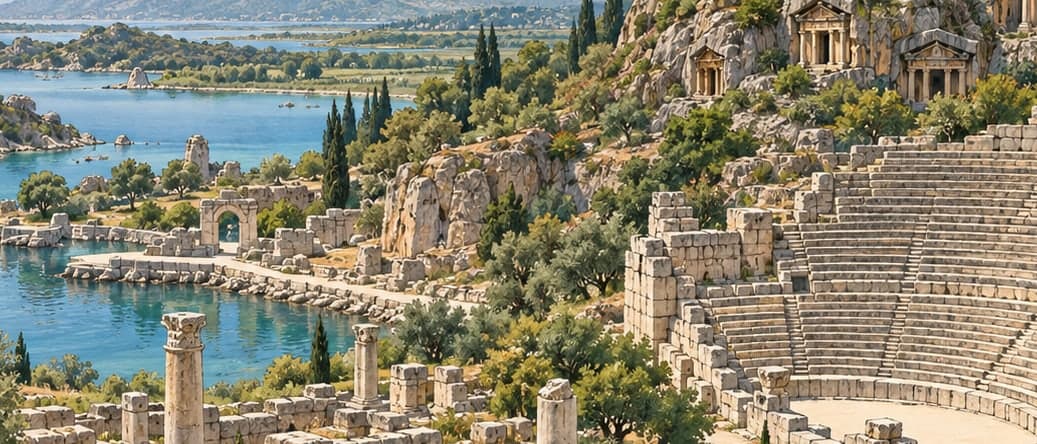
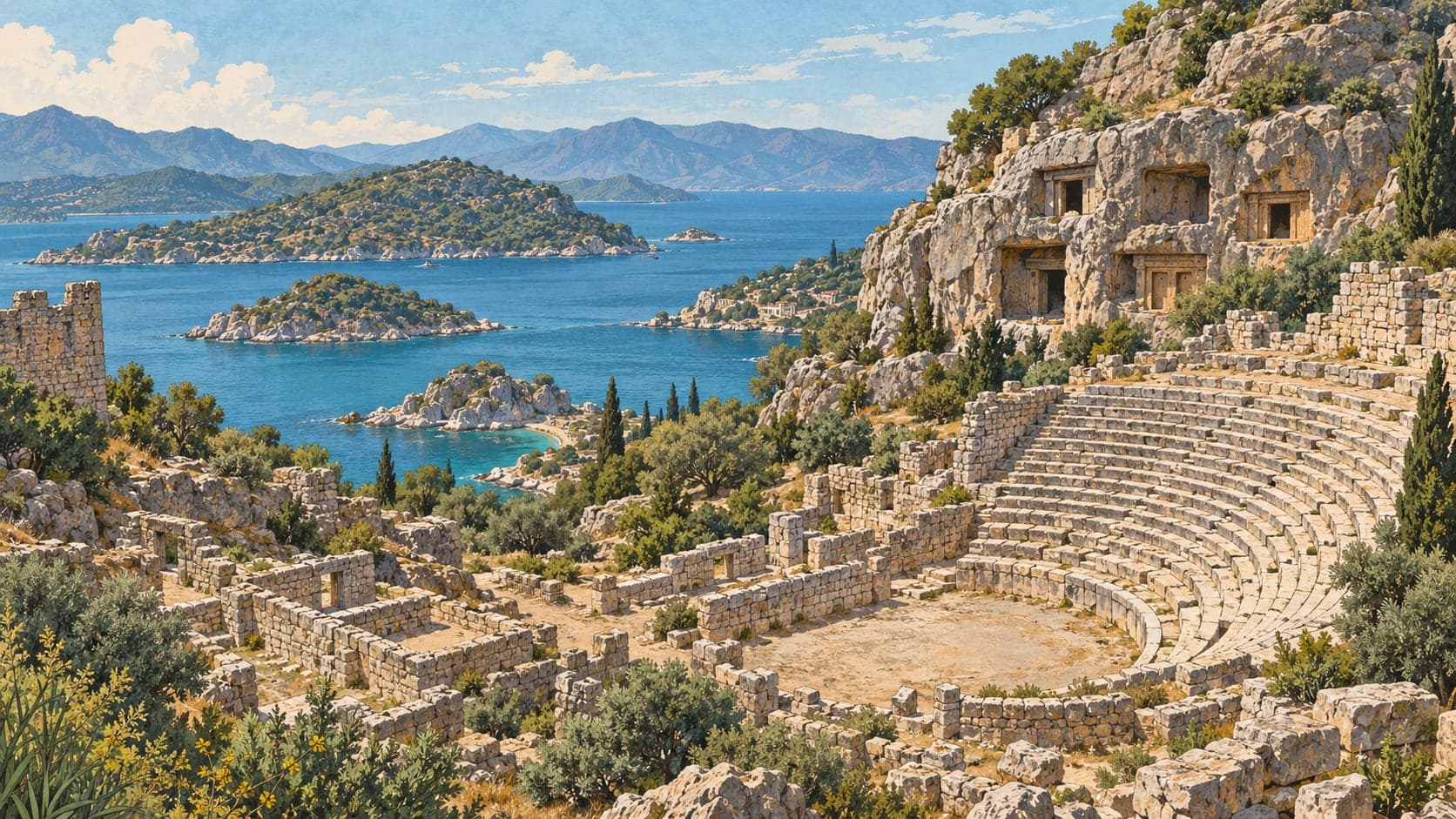
Simena, known today as Kaleköy, sits on a peninsula between Kaş and Demre, directly opposite Kekova island — and part of it is under water. Earthquakes in antiquity damaged the city and sank some of it; along the shore you can see steps running into the sea, Lycian sarcophagi, a breakwater and building remains.
It is also one of the few settlements in Türkiye reached from the sea. Pliny first names the city in the first century AD, but a Lycian inscription and a silver coin found at Aperlai take its history back to the fourth century BC. Simena was represented in the Lycian League by Aperlai, and after the region joined the Roman empire it continued as an independent city.
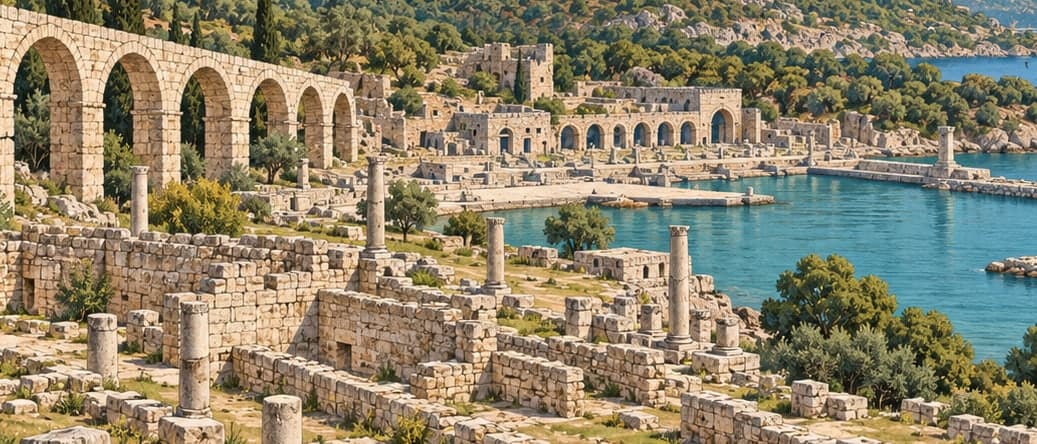
On the shore stand the remains of a Roman bath complex thought to date from about 79 BC, now ruined; its inscription records that it was given to the emperor Titus by the people and council of Aperlai together with the other cities of the league.
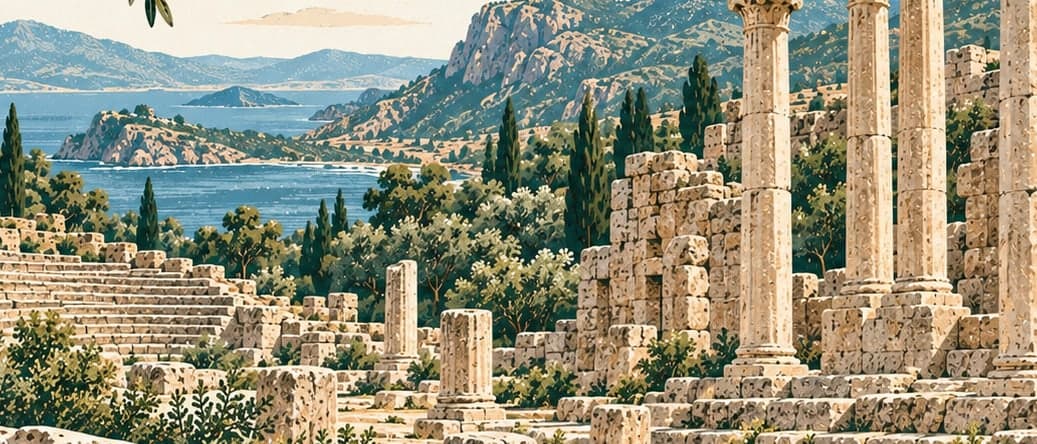
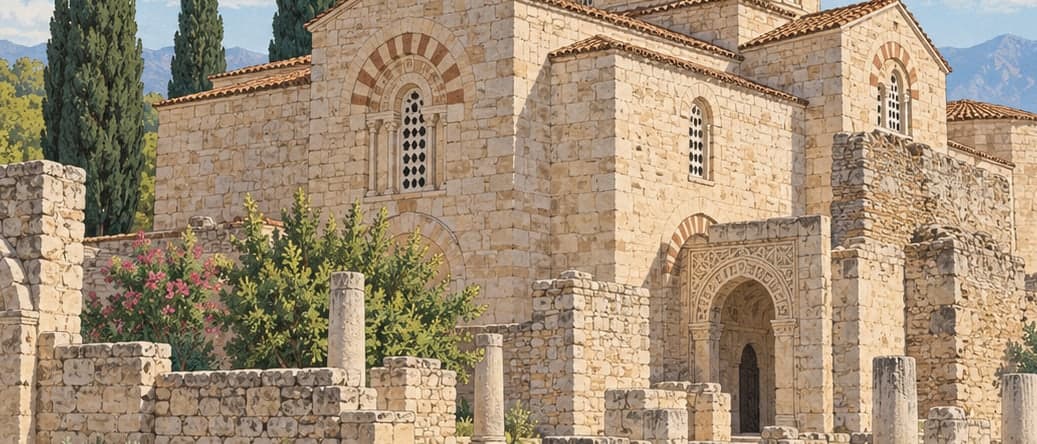
The castle above is what catches the eye first, and it was in use in the Middle Ages. A steep path with occasional steps climbs to it from the shore, past building remains and sarcophagi set among the present-day houses — one sarcophagus is known from its epitaph to belong to Mentor, son of İdargus. At the castle the first thing you meet is a theatre cut into the rock, with seven rows of seats and room for about three hundred people. Cisterns, rock tombs and the traces of a religious building complete the remains; that building served first as a temple, then as a church, and last as a mosque.