Guide
Saint Nicholas was born around AD 300 at Patara, one of the important harbour cities of the day and the seat of the assembly building of the Lycian League, the son of a wealthy grain merchant. Held to be the protector of children and of sailors, he became bishop of Myra, within what is now Demre, and is believed to have died on 6 December 365 at the age of 65. The church built over his grave is where he is believed to have been laid to rest.
His bones did not stay. During the Crusades merchants who came from the Italian city of Bari stole them, and they were buried in the basilica built at Bari in his name. Bones thought to belong to him are also displayed in the Antalya Museum.
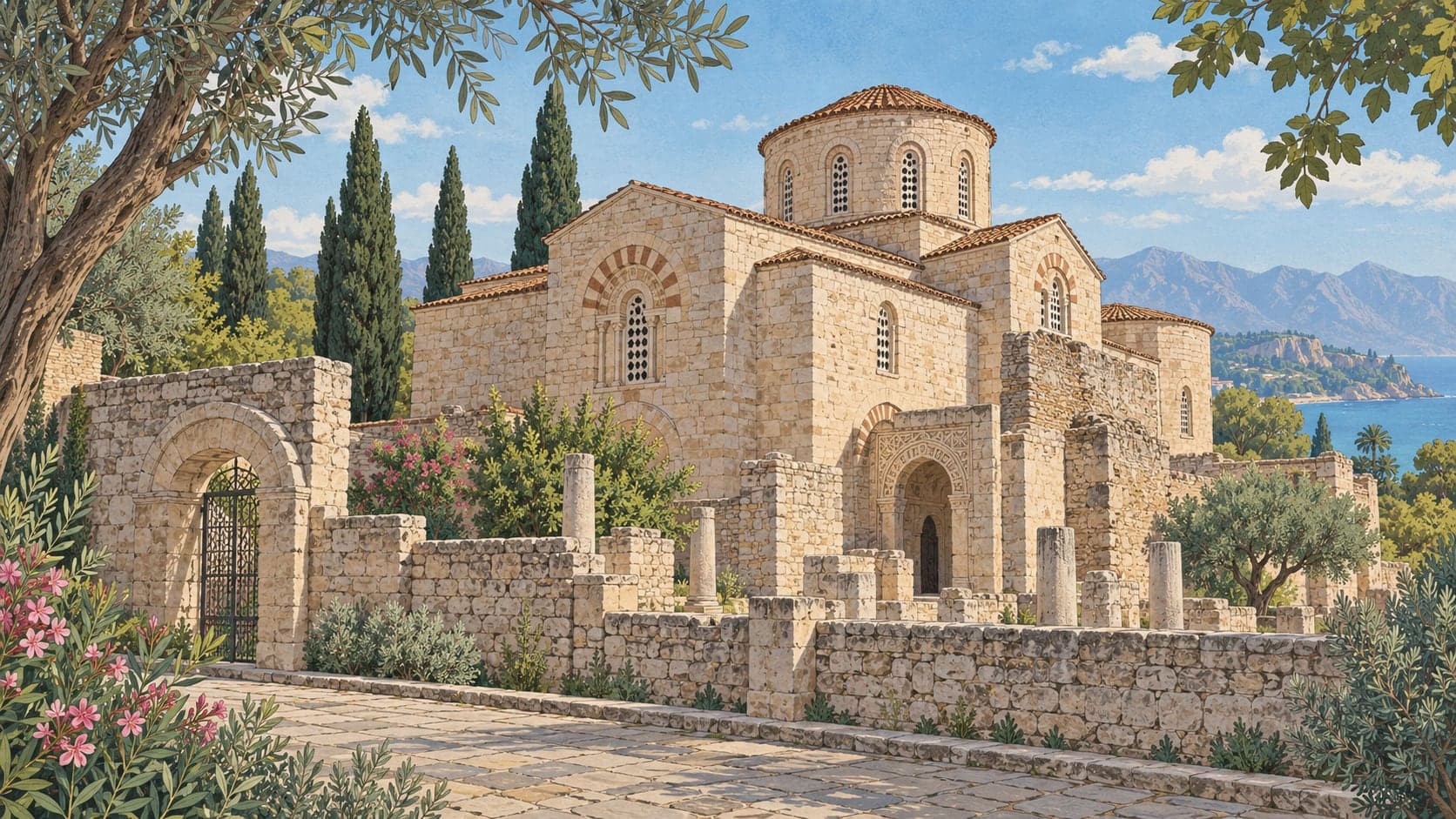
He is known as the saint of miracles, and the church the people of Myra built for him — repaired in several later periods — carries on its walls paintings of the miracles he is believed to have performed. The Roman sarcophagus inside it, decorated with fish scales and acanthus leaves, is thought to be his.
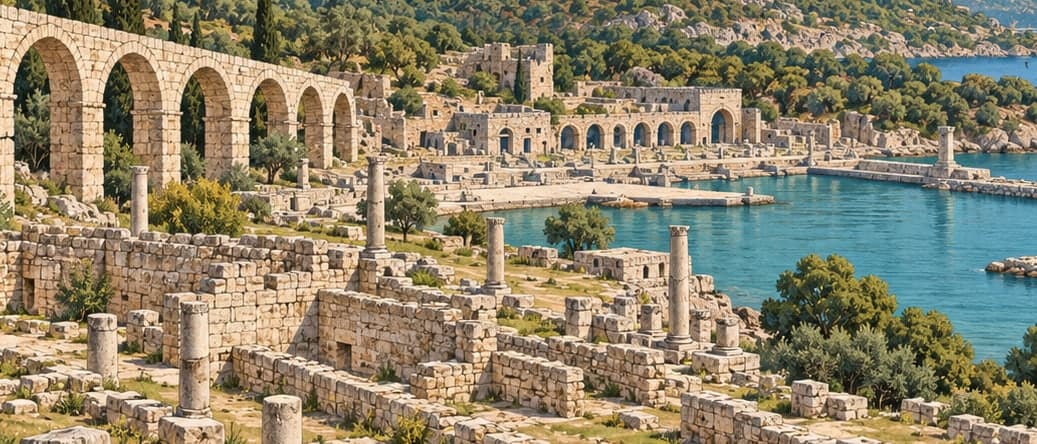
Andriake, the harbour of Myra, is nearby, and the Museum of Lycian Civilisations occupies that site; the murex workshops there show how the shells were used.